How Geopolitical Conflicts Disrupt the Global Supply Chain
Today’s modern world relies heavily on a complex and interconnected distribution network. When you buy a cup of coffee this morning or order the latest gadget online, those products have likely traveled across several continents before reaching your hands. This global interconnected system is what we know as the supply chain.
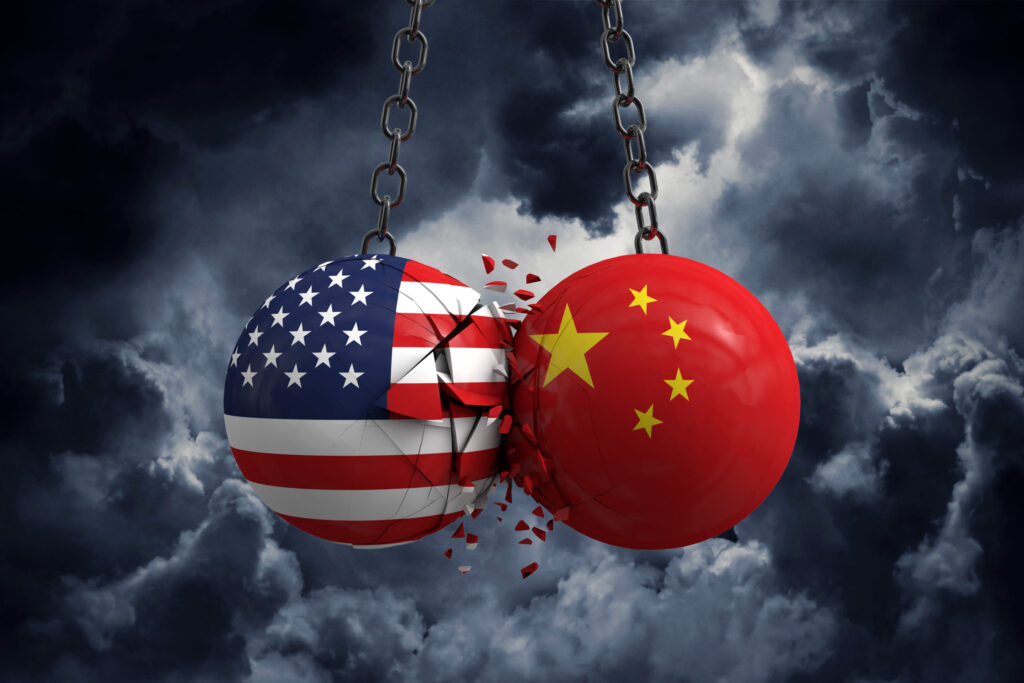
However, the efficiency of the global supply chain is currently under the shadow of a massive threat. Geopolitical conflicts, regional tensions, and trade disputes between nations have proven capable of disrupting these distribution routes in just a matter of days. As a result, goods that usually flow without hindrance suddenly get stuck at ports or are forced to change direction.
This educational article will discuss in depth how international political tensions directly impact the availability of goods around us. Designed to be SEO-friendly and easy to read on smartphone screens, let’s learn how global dynamics affect your wallet and business continuity.
Understanding the Fragility of the Global Supply Chain in the Modern Era
Over the past few decades, global industries have adopted a manufacturing system called Just-In-Time (JIT). This system aims to minimize warehouse storage costs by bringing in raw materials only when the production process is about to start. While highly cost-effective, this JIT system has one fatal flaw: it cannot withstand external shocks.
When a geopolitical conflict breaks out in a strategic region, the entire JIT network worldwide can experience instant paralysis. A factory in one country might be forced to halt production simply because a single small component from a conflict-partner nation failed to be delivered on time. This phenomenon proves that the global supply chain is actually very fragile and sensitive.
For the general public, the effects of this chaos might not be immediately visible in the form of military tensions in the news. You will feel the most tangible effects when you go to the supermarket and find prices rising, or when a product you want experiences shortages for months.
Air and Sea Routes: Critical Points That Frequently Become Victims
Most of the world’s trade relies on sea and air transportation routes, especially through strategic chokepoints.
Blockades and Rerouting of Sea Shipping
Points such as the Malacca Strait, the Suez Canal, or the Bab al-Mandab Strait are the primary lifelines of international trade. If an armed conflict occurs around these areas, shipping companies are forced to redirect their giant cargo ships around much longer routes.
This rerouting is not just a matter of travel times increasing by weeks. Longer routes mean ship fuel consumption swells, crew operational costs increase, and container rental rates skyrocket, all of which are ultimately passed on to the final consumer.
Airspace Restrictions
Geopolitical tensions also frequently result in retaliatory actions in the form of bans on crossing a country’s airspace. Air cargo planes carrying electronic components or sensitive medical supplies are forced to detour far to avoid no-fly zones.
This not only slows down air logistics delivery times but also reduces the total carrying capacity of the aircraft. These skyrocketing air logistics costs are a primary trigger for why high-tech goods become much more expensive when they reach the domestic market.
The Domino Effect of Geopolitical Conflicts on Your Economy
The chaos in distribution channels does not stop at logistics issues alone; it triggers a wide domino effect for the macroeconomy.
1. Skyrocketing Sectoral Inflation
When the supply of raw materials is disrupted but market demand remains high, a basic economic law applies: prices will skyrocket. Inflation caused by supply chain disruptions is very difficult to control through central bank interest rate policies because the problem lies in the physical supply of goods, not the amount of circulating money.
2. Scarcity of Essential Components (Like Semiconductors)
Many tech industries rely on only one or two countries to supply crucial components like semiconductor chips. If that primary producer country becomes involved in a geopolitical conflict or export restrictions, automotive and electronics industries worldwide can end up paralyzed.
3. Global Food and Energy Crises
Conflicts in fertile areas or oil-rich regions can directly cut off the global supply of wheat, fertilizer, and crude oil. Spikes in energy and staple food prices have the most damaging impact because they directly hit low-income communities globally.
A Practical Guide for Businesses: Building a Resilient Supply Chain
If you are a business owner or manager, relying on a single source of supply in this era of high uncertainty is a very risky move. Here are mitigation steps you can implement.
Step 1: Implement a “China Plus One” or Multitarget Strategy
Do not put all your eggs in one basket. If your business has been 100% dependent on raw materials from one specific country, start looking for and building relationships with alternative suppliers in other nations.
Although the initial cost of finding these new suppliers might be slightly more expensive, this step acts as insurance for your business. When your primary supplier country faces political constraints, your business’s production wheels will not immediately grind to a halt.
Step 2: Shift Mindset from “Just-In-Time” to “Just-In-Case”
It is time for businesses to shift their mindset from simply chasing strict cost efficiency to operational resilience. Start securing backup inventory (safety stock) for the raw materials that are most crucial to your business.
Having 2 to 3 months of backup stock in a local warehouse will give your business room to breathe and find solutions if international logistics lines are suddenly cut off.
Step 3: Consider Nearshoring and Near-sourcing Strategies
Nearshoring is a strategy of moving manufacturing processes or raw material sourcing to a neighboring country that is geographically closer and has better political stability. Shorter geographical distances automatically minimize the risk of disruptions occurring on the open seas or in international conflict zones.
Smart Tips for Consumers Facing Price Uncertainty
As a smart consumer, you must not remain passive and should prepare for price fluctuations caused by global geopolitical situations.
1. Buy Quality Local Products
One of the best ways to avoid supply chain inflation is by switching to domestically made products. Local products do not require complex international shipping routes, so their prices tend to be much more stable during global crises.
2. Postpone Purchases of Scarce Tertiary Goods
If you plan to buy a vehicle or the latest gadget model whose price is soaring due to global chip shortages, consider postponing it. Forcing yourself to buy goods at peak prices due to supply scarcity will only harm your personal financial health.
3. Invest Funds in Safe Haven Commodities
When geopolitical tensions rise, paper currency values often fluctuate or weaken due to inflation. Secure some of your wealth in safe haven assets that are historically proven to withstand political shocks, such as gold bullion or money market mutual funds.
Conclusion: Adaptation Is the Key to Survival
Global geopolitical conflicts might feel far from our daily view, but their impact flows directly through the pipelines of the global supply chain into our lives. Future geopolitical uncertainty is not something we can avoid, but a new reality we must face with thorough preparation.
For business players, flexibility in managing supply networks will determine who can survive in the midst of a storm. For consumers, a good understanding of global dynamics will help in making wiser and more economical spending decisions.
Keep monitoring world developments with a rational lens, manage your financial risks independently, and always be ready to adapt to a dynamic global economic landscape!
Geopolitical Conflict, Global Supply Chain, Logistics Crisis, International Trade, Inflation Trends, Business Strategy, Risk Mitigation, Nearshoring, Smart Investing, Economic Literacy