


The Shifting Power of World Currencies Post-2023: A Practical Guide to Protecting Your Assets
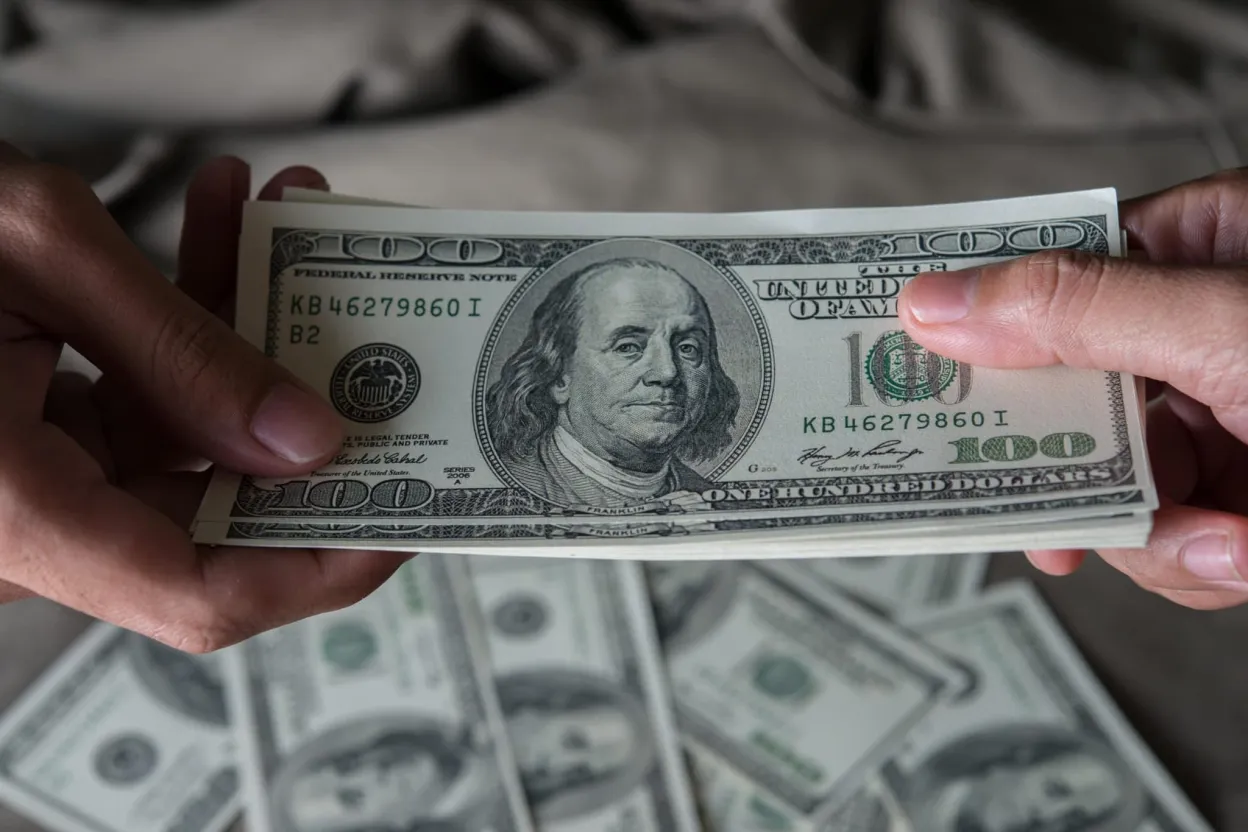
The global financial world is witnessing a new chapter in history. Since the end of 2023, the absolute dominance of the United States Dollar (USD) has begun to face serious challenges from various corners of the globe. The issue of “Dedollarization”—or reducing reliance on the USD—is no longer just a theoretical debate on paper.
For everyday people and business owners, this macroeconomic shift is crucial to understand. When the power map of world currencies changes, the impact directly ripples down to our savings, investments, and daily purchasing power.
So, what exactly has been happening post-2023, and how can we secure our assets in this new era? Let us break it down in a concise and practical way.
Why Is the Global Currency Map Starting to Shift?
For decades, the US Dollar has served as the primary anchor for international trade. However, several major events over the past few years have accelerated this shifting process.
1. Geopolitical Fragmentation and Economic Sanctions
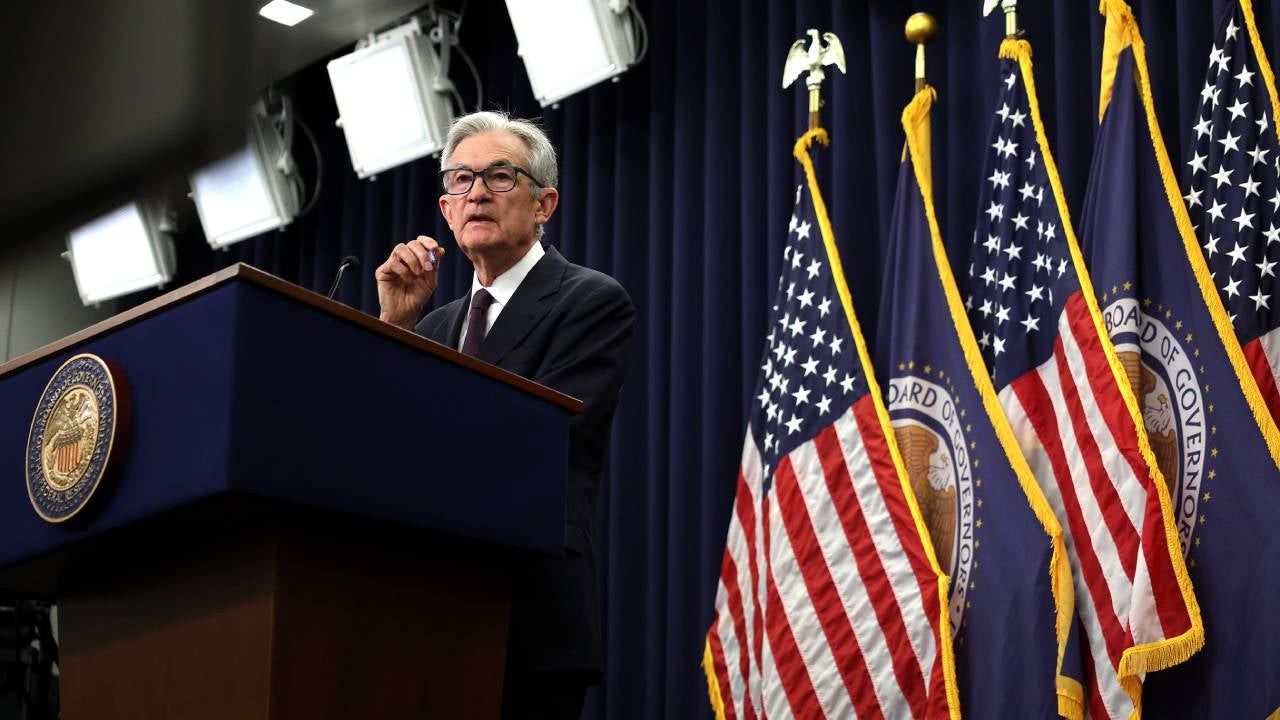
The freezing of Russia’s foreign exchange reserves by Western nations post-2022 served as a wake-up call for many developing countries. They realized that over-relying on a single foreign currency carries high political risks. As a result, alliances like BRICS Plus have aggressively promoted the use of local currencies for bilateral trade.
2. The Rise of Local Currency Settlement (LCS)
Since late 2023, Southeast Asian nations (including Indonesia) have become increasingly aggressive in using local currencies for cross-border shopping and business. When you vacation in Malaysia or Thailand and can pay directly using QRIS without needing to exchange your money into US Dollars first, you are witnessing the real-world proof of this shift.
3. Diversification of National Forex Reserves
According to data from the International Monetary Fund (IMF), the share of the US Dollar in global central bank foreign exchange reserves has gradually shrunk from around 70% in the early 2000s to below 60% post-2023. Many countries are now shifting a portion of their reserves into alternative currencies like the Chinese Yuan, the Euro, or even hoarding physical gold.

Direct Impacts on Personal Finances
This shift is giving birth to a multipolar financial world. For you as a consumer and investor, there are two main impacts to watch out for:
- High Exchange Rate Volatility: Fiat (paper) currencies will become more volatile due to the ongoing tug-of-war for global economic dominance.
- The Threat of Imported Inflation: If our local currency weakens against strengthening regional currencies, the prices of imported goods (including raw materials for gadgets and food) could steadily creep upward.
A Practical Guide: Tips for Protecting and Securing Your Assets
Faced with this changing global economic landscape, you cannot afford to put all your eggs in one basket. Here are some practical tips to safeguard your wealth:
1. Diversify Your Portfolio into Hard Assets
When trust in global paper currencies wavers, tangible assets like gold and real estate are your best lifesavers. Gold is universally recognized and its price tends to rise during times of geopolitical uncertainty. Allocate at least 10% to 20% of your total wealth into pure gold.
2. Keep an Eye on Strong Regional Currencies
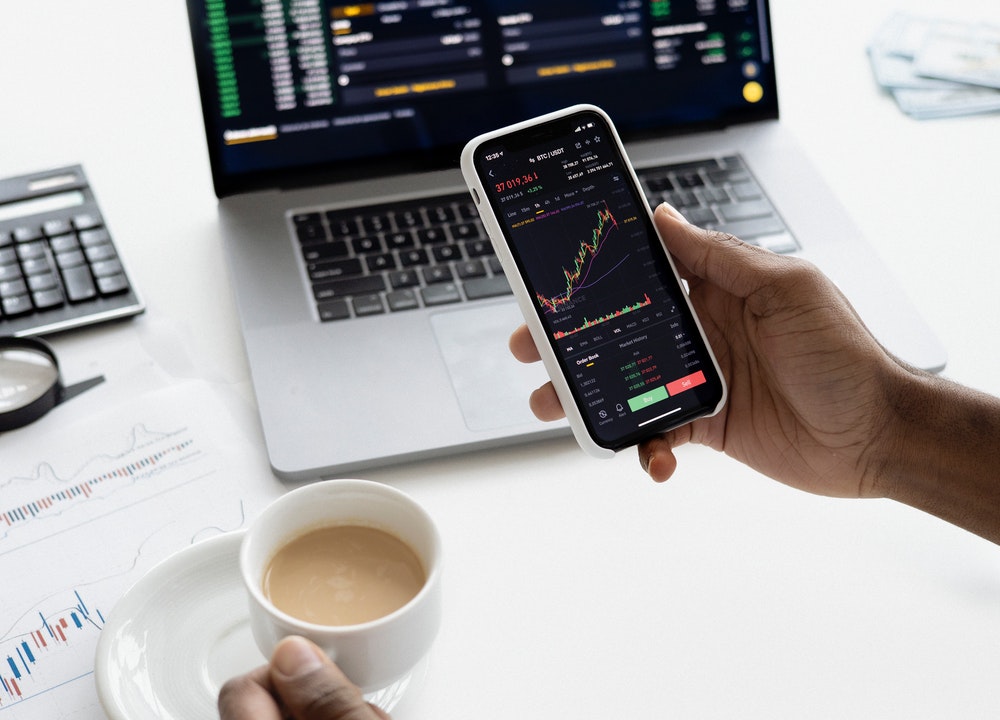
If you frequently engage in international transactions or have overseas business needs, do not just hold US Dollars. You can start spreading your liquid assets into currencies backed by strong trade fundamentals post-2023, such as the Chinese Yuan (RMB) or the Singapore Dollar (SGD).
3. Take Advantage of Domestic Government Bonds
Amid global uncertainty, investing in Government Securities (SBN) is a very wise move. Governments usually offer attractive yields to keep investor funds inside the country, while providing safe capital protection from external risks.
Conclusion
The shifting power of world currencies post-2023 is not a sign of a financial collapse, but rather an evolution toward a more balanced world. The US Dollar will certainly not fall overnight, but its position as the sole ruler is clearly starting to share the stage.
The ultimate key for us is to remain flexible, stay updated with reliable information, and proactively diversify our financial assets. Happy securing your financial future!