


Interest Rates: How Central Bank Policies Affect You
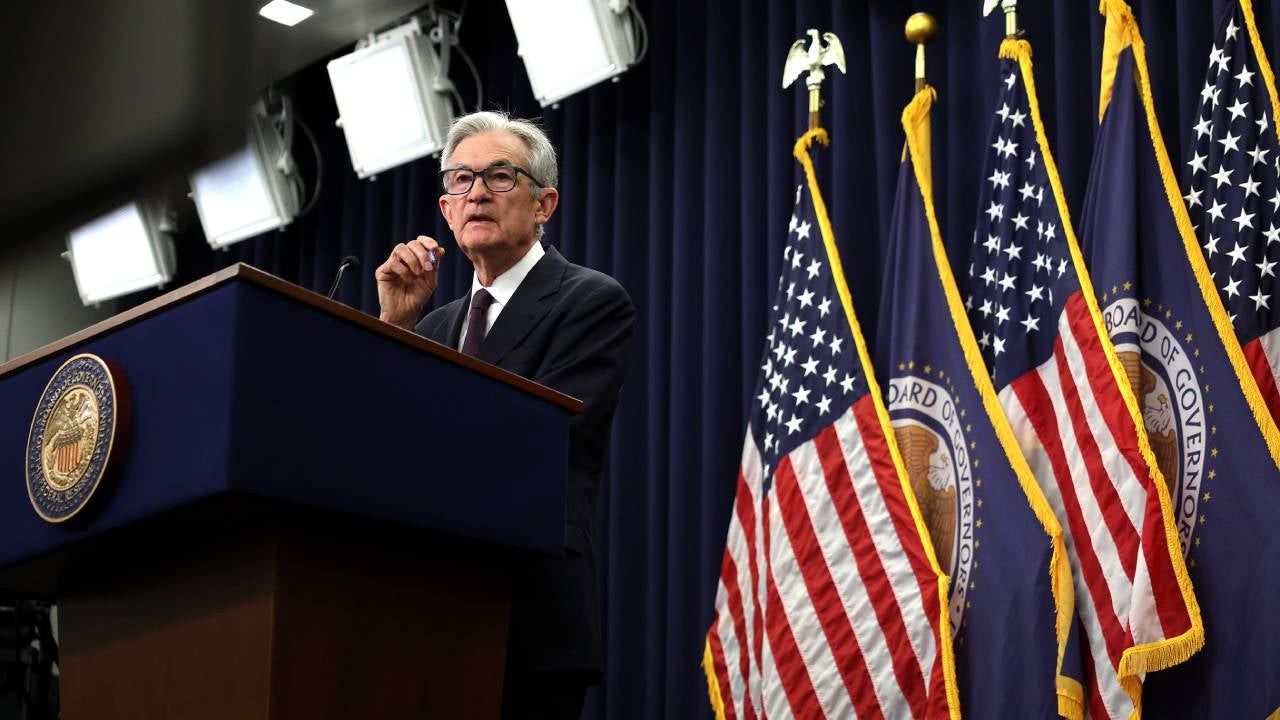
Interest rates are the invisible heartbeat of the global economy. Often perceived as complex jargon reserved for economists and Wall Street analysts, these rates actually dictate the daily reality of your financial life. From the interest on your credit card and the cost of your mortgage to the performance of your retirement savings and the price of groceries, interest rates are the primary lever central banks—like the Federal Reserve—use to regulate the speed of the economy.
In this comprehensive guide, we will break down how central bank decisions ripple through your personal finances and how you can position yourself to thrive regardless of the economic climate.
The Mechanism: What Are Interest Rates?
At its simplest level, an interest rate is the “cost of money.” When a central bank increases interest rates, it becomes more expensive for commercial banks to borrow money from the central institution. Banks, in turn, pass these costs down to consumers and businesses. Conversely, when rates are cut, borrowing becomes cheaper, encouraging spending and investment.
The Role of the Central Bank
Central banks exist to manage two primary goals: stable prices (controlling inflation) and maximum sustainable employment. They use the Federal Funds Rate (or its equivalent in other nations) to influence the economy. When the economy is “overheating,” they raise rates to cool it down. When the economy is sluggish, they lower rates to stimulate activity.
Impact on Personal Finance: A Deep Dive
The decisions made in a sterile boardroom can have immediate, tangible effects on your household budget. Understanding these mechanisms is the first step toward financial literacy.
A. The Direct Impact on Borrowing
Whenever interest rates rise, the cost of credit follows suit. This isn’t just theory; it is mathematical certainty.
- Mortgages: If you have a variable-rate mortgage, a hike in central bank rates means your monthly payment will increase almost immediately.
- Credit Cards: Most credit cards carry variable APRs tied to the Prime Rate. As the central bank lifts the benchmark, your credit card interest charges will climb, making it harder to pay down debt.
- Auto Loans: New vehicle financing becomes more expensive, which can force consumers to choose cheaper vehicles or extend loan terms, increasing the total interest paid over the life of the loan.
B. The Savings Conundrum
While rising rates hurt borrowers, they provide a rare silver lining for savers. When the central bank hikes rates, high-yield savings accounts, Certificates of Deposit (CDs), and money market accounts finally offer returns that actually combat inflation.
C. The Cost of Goods and Services
When businesses face higher interest rates, their cost of doing business rises. They must pay more to finance their debt, manage inventory, and expand operations. To maintain profit margins, these businesses often pass these costs on to the consumer, leading to higher prices at the checkout counter. This is why interest rates are the most potent weapon in the fight against inflation.
How Interest Rates Shape the Broader Economy
To understand your wallet, you must understand the environment in which you earn and spend.
The Macroeconomic Cycle
Economic cycles are driven by the ebb and flow of capital. The “Interest Rate Cycle” typically follows a predictable pattern:
A. The Expansionary Phase: Central banks lower rates. Businesses borrow to expand, hiring increases, and consumers feel confident spending. B. The Overheating Phase: Too much money chases too few goods. Inflation begins to rise beyond the central bank’s comfort zone. C. The Contractionary Phase: The central bank raises rates to slow down borrowing and spending. D. The Recessionary/Correction Phase: High rates eventually throttle economic growth too much, leading to a slowdown that may force the bank to pivot and cut rates again.
Strategies to Protect Your Wealth
Knowledge is useless without action. Here is how you can optimize your personal financial strategy in any interest rate environment.
A. Lock In Fixed-Rate Debt
If interest rates are historically low, always prioritize fixed-rate loans. This protects you from future spikes, effectively hedging your most significant liabilities.
B. Prioritize High-Interest Debt Repayment
In a rising rate environment, “bad” debt (credit cards, personal loans) becomes a wealth destroyer. Aggressively paying down these balances should be your top priority. Use the “Debt Avalanche” method—focusing on the debt with the highest interest rate first—to save the most money.
C. Optimize Your Savings
Never let your cash sit in a traditional checking account with zero interest. When rates are high, move your emergency fund into high-yield savings accounts or short-term Treasury bills. These instruments are extremely safe and allow you to capture the current market interest rate.
D. Diversify Your Investments
Rising interest rates tend to be bad for stocks (because corporate earnings are discounted at higher rates) and bonds (because bond prices fall as rates rise). However, certain sectors, like financial services, often benefit from higher margins. Maintain a diversified portfolio so that no single interest rate movement can decimate your net worth.
The Psychological Impact of Rate Changes
Beyond the numbers, interest rates influence consumer sentiment. When rates are low, the psychological “mood” is one of optimism. People take risks, start businesses, and invest in assets like real estate. When rates rise, the mood shifts to caution. This “Wealth Effect” can influence spending habits more than the interest rates themselves.
Historical Context: Lessons from the Past
Looking back at the 1970s or the 2008 Financial Crisis, we see how interest rate policy has historically determined the fortunes of generations.
- 1970s Stagflation: The Fed had to raise rates to record-breaking levels to kill inflation. This led to a difficult period for the stock market but eventually paved the way for decades of stable growth.
- 2008 and 2020 Responses: In both instances, the central bank cut rates to near zero. While this prevented a total collapse, it also led to massive asset price inflation in real estate and stocks, widening the wealth gap.
Frequently Asked Questions (FAQ)
What happens to my mortgage if rates rise?
If you have a fixed-rate mortgage, your payments remain unchanged. If you have an adjustable-rate mortgage (ARM), your payments will rise in tandem with the benchmark rates set by the central bank.
Does the central bank decide mortgage rates directly?
No. The central bank sets the short-term benchmark rate. Mortgage rates are largely influenced by the long-term bond market (specifically the 10-year Treasury yield). However, the two generally move in the same direction.
Is it ever “good” for interest rates to be high?
Yes. High interest rates are a sign that the economy is robust and capable of handling a higher cost of capital. They also provide savers with a return on their money and help keep inflation in check, ensuring that your purchasing power does not erode too quickly.
Mastering the Interest Rate Game
Interest rates are not just numbers on a chart; they are the gears of the economic engine that moves your world. By understanding how the central bank manipulates these rates, you can stop being a victim of economic cycles and start being a strategist.
Whether it is locking in a fixed rate on a home loan, moving your savings into high-yield instruments, or aggressively paying down high-interest credit card debt, proactive management of your finances in response to interest rate signals is the hallmark of financial maturity. Keep a close watch on central bank communications, understand the broader economic trends, and always maintain enough liquidity to handle the fluctuations that define the modern financial era.