

Why Does the Dollar Exchange Rate Fluctuate? Macro Factors Behind Currency Values
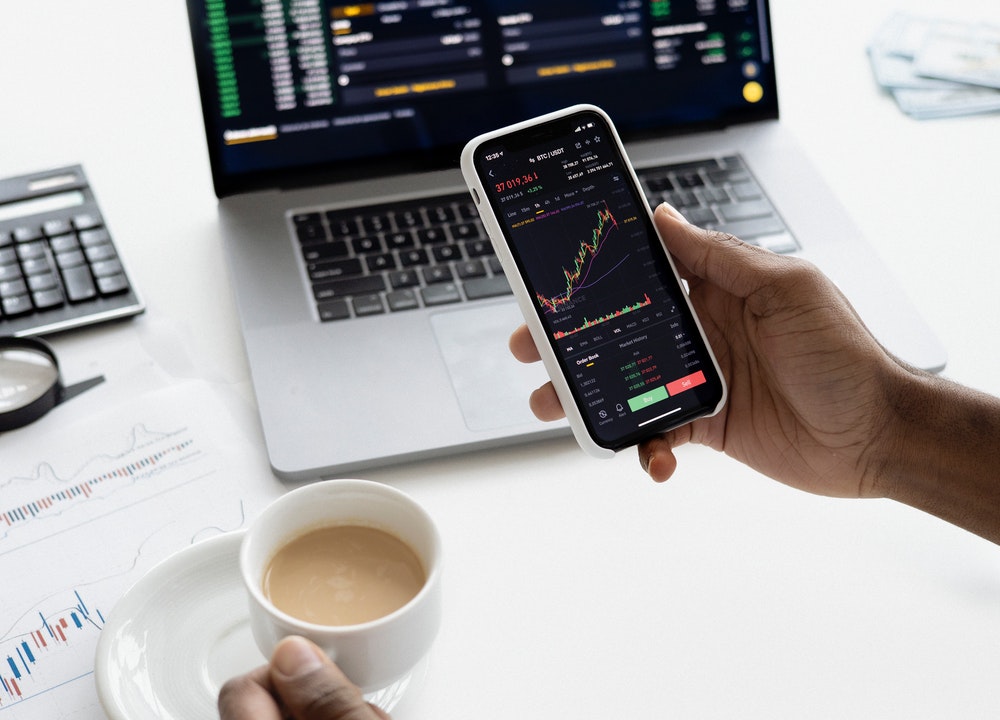
Have you ever woken up in the morning, opened your banking app or the news, and noticed that the US dollar suddenly spiked? For many people, those shifting numbers on the screen might look like random noise jumping up and down without any clear pattern.
However, for importers, international travelers, and global investors, every single cent of fluctuation in the dollar exchange rate carries very real consequences. Currency movements are never a result of pure coincidence; rather, they reflect the incredibly intricate dynamics of the global economy.
The United States Dollar (USD) holds a uniquely privileged position as the world’s primary reserve currency. When the greenback makes even a minor move, the ripples can be felt all the way to the prices of everyday groceries at your local market.
This article takes you on a relaxed, practical, and easy-to-digest journey through the world of macroeconomics. Let us break down the primary drivers that cause the dollar exchange rate to swing so dynamically every day.
Understanding the Basics: What Is an Exchange Rate and Why Is It So Dynamic?
At its core, a currency exchange rate is simply the price of one currency expressed in terms of another. Much like the prices of physical commodities like gold, crude oil, or wheat, currency values are dictated by the fundamental law of economics: supply and demand.
When global demand for the US dollar outpaces the available supply circulating in the market, the value of the dollar naturally appreciates. Conversely, if there is a flood of dollar liquidity while market demand slumps, the dollar’s exchange rate will experience a decline.
This interplay between buyers and sellers occurs continuously around the clock in the global foreign exchange market. This massive network involves central banks, commercial lenders, multinational corporations, and institutional investors trading non-stop from New York to Tokyo.
Because countless variables influence how market participants perceive value every second, currency price charts are constantly shifting. These fluctuations are a completely normal feature of an interconnected global economy.
1. Central Bank Interest Rate Policies (The Fed)
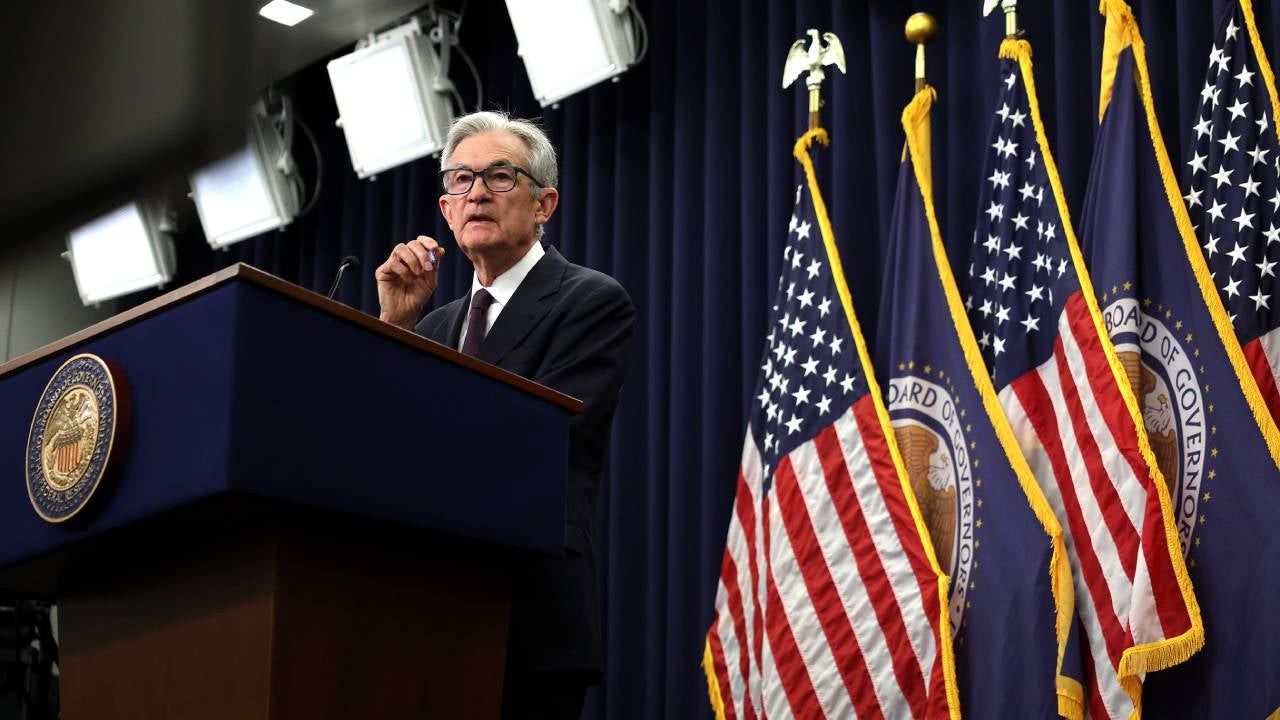
The first and most dominant macroeconomic driver behind dollar movements is the monetary policy set by the US central bank, known as the Federal Reserve, or simply The Fed. The Fed’s decisions regarding benchmark interest rates are always the main focus for global capital market participants.
As a general rule, capital constantly moves in pursuit of the highest and safest risk-adjusted returns. When the Fed raises its benchmark interest rate, dollar-denominated financial assets like US Treasury bonds offer significantly more attractive yields.
This environment triggers a phenomenon known as capital inflows, where investors worldwide rush to convert their local currencies into US dollars. This sudden surge in dollar buying pressure automatically drives up the value of the greenback.
Conversely, when the Fed cuts interest rates to stimulate a sluggish economy, holding dollar assets becomes less rewarding. Investors begin shifting their capital toward emerging markets offering higher yields, which typically causes the dollar to weaken.
Real-World Case: The Fed’s Aggressive Hikes and “King Dollar” (2022)
To see how interest rate policy plays out in real life, let us rewind to the year 2022. At that time, the world was emerging from pandemic disruptions only to be hit by a sudden, massive wave of global inflation.
In an effort to tame inflation that was peaking near 9 percent, the Federal Reserve under Chair Jerome Powell took extremely aggressive action. Throughout 2022, the Fed rapidly hiked its benchmark interest rate from near-zero to over 4 percent in a remarkably short timeframe.
The impact of this policy was felt intensely across every corner of the globe. A local manufacturing business in Asia or Europe importing raw materials suddenly faced skyrocketing production costs simply because the US dollar soared against almost every major global currency.
Currencies like the Japanese Yen, the Euro, and the British Pound plummeted to multi-decade lows. The financial media famously dubbed this phenomenon “King Dollar” in 2022, providing a clear real-world demonstration of how interest rate decisions in Washington can shake household economies around the world.
2. Relative Inflation Rates Between Nations
Another crucial macroeconomic factor determining exchange rate trajectories is the difference in inflation rates between countries. Inflation essentially measures how quickly the purchasing power of a currency erodes over time.
According to macroeconomic theory, a country that consistently experiences higher inflation will see its currency depreciate relative to its trading partners. This happens because goods produced in high-inflation countries become more expensive and less competitive on the international stage.
To put this into a simple example, if an emerging market experiences 8 percent inflation while the United States experiences only 2 percent, the purchasing power of the emerging market currency erodes much faster. Consumers and business owners naturally prefer holding a currency whose purchasing power is more stable—namely, the US dollar.
Because of this relationship, annual inflation reports like the Consumer Price Index (CPI) in the United States always trigger immediate volatility in foreign exchange markets. Whenever inflation data comes in hotter or cooler than expected, market expectations for the dollar shift in an instant.
3. Economic Growth and Overall Macro Health
Global investment decisions are heavily dependent on a nation’s economic growth prospects. International investors want to deploy their capital into countries where the economy is expanding rapidly and the business climate is stable.
Gross Domestic Product (GDP) data serves as the primary scorecard for measuring a nation’s overall economic health. If US GDP reports reveal growth that far beats analyst expectations, market confidence in the US business environment rises significantly.
Global investors respond by pouring capital into New York stock exchanges like the NYSE or Nasdaq, as well as purchasing real estate in the United States. The process of converting foreign funds into US dollars to make these investments naturally pushes the USD exchange rate higher.
On the flip side, if the US economy shows clear signs of heading toward a recession, investors tend to pull back their capital. This uncertainty reduces demand for dollar assets and can push the dollar exchange rate into a downward trend.
4. Trade Balance Conditions and Current Accounts
International trade relations create physical inflows and outflows of currencies through the export and import of actual goods and services. A nation’s international financial transactions are tracked in what is known as the trade balance.
A country runs a trade surplus when the total value of its exported goods and services exceeds the value of its imports from abroad. A trade surplus creates genuine, recurring demand for the local currency because foreign buyers must purchase that currency to pay for the exports.
The United States has historically run a sizeable trade deficit, meaning its imports of foreign goods far outweigh its exports to the rest of the world. Under traditional economic logic, a chronic trade deficit should continuously weaken a country’s currency.
However, the US dollar’s unique reserve status flips this traditional logic on its head. Because major global commodities like crude oil are priced and traded in dollars, global demand for greenbacks remains exceptionally high regardless of the US trade deficit.
5. Political Stability and Geopolitical Crises (Safe-Haven Status)
If there is one thing global financial markets detest above all else, it is uncertainty. When geopolitical tensions escalate or physical conflicts erupt in a region, big capital managers act very defensively to protect their wealth.
In the world of finance, certain investments are designated as safe-haven assets. A safe-haven asset is a financial instrument that is considered low-risk and reliable for preserving capital during periods of political crisis or international conflict.
The US dollar, along with US Treasury bonds, stands as one of the world’s premier safe-haven assets alongside gold. This reputation is backed by the military strength, legal predictability, and deep liquidity of the US financial system.
When an international conflict breaks out anywhere in the world, investors quickly exit high-risk assets in emerging markets. They shift their capital into the safety of the US dollar, which ironically causes the greenback to spike right in the middle of global chaos.
Real-World Case: Geopolitical Shock and the Russia-Ukraine War (February 24, 2022)
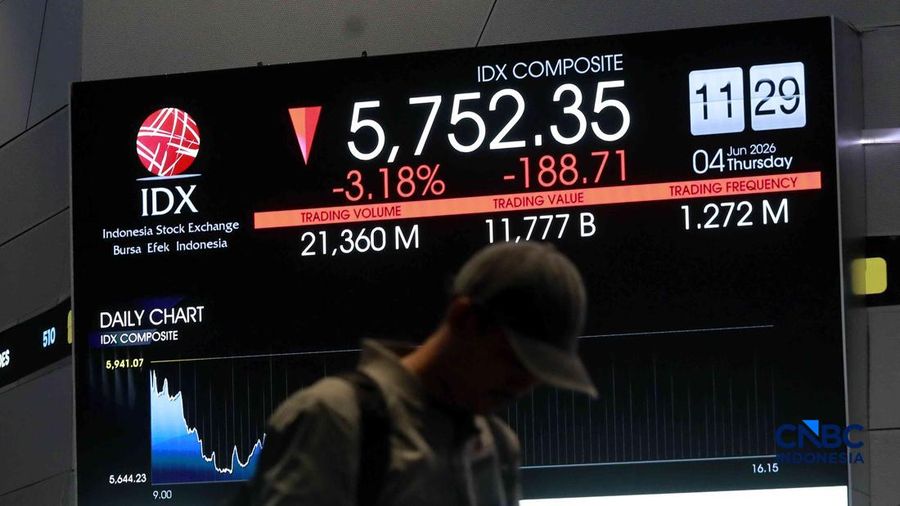
A vivid example of this safe-haven behavior unfolded when geopolitical crisis struck Eastern Europe in early 2022. When military conflict between Russia and Ukraine officially began on February 24, 2022, global financial markets plunged into immediate panic.
Stock market indices across the globe plummeted within hours, and the Euro fell sharply due to fears of an impending energy crisis in continental Europe. At the exact same time, global institutional investors moved swiftly to park their money in the safest possible place.
Even though the epicenter of the conflict was geographically far from the American mainland, the US dollar surged against nearly all major currencies. The US Dollar Index (DXY) climbed above the 100 mark in just a matter of days following the outbreak of the conflict.
This event offers a clear practical lesson: during times of geopolitical distress, currency strength is not driven solely by statistical economic reports. The perception of safety and political stability plays a massive role in maintaining market confidence.
6. Market Psychology, Speculation, and Investor Sentiment
Beyond measurable fundamental factors, there is a very dynamic human element inside financial markets: psychology and sentiment. Not all daily dollar transactions are driven by real-world needs like importing physical goods or paying international debt.
In fact, a massive portion of daily trading volume in foreign exchange markets comes from speculative activity by individual traders and institutional hedge funds. They attempt to forecast short-term currency movements to profit from buying and selling price differences.
If the majority of traders believe that US economic data released next week will come in strong, they will start buying dollars today in anticipation. This collective action based on expectations often creates rapid price swings long before the actual economic event takes place.
This phenomenon is often captured in the popular Wall Street adage: “Buy the rumor, sell the news.” Crowd psychology, fear, and greed act as extra fuel that amplifies daily currency exchange rate volatility.
7. National Debt Policies and Quantitative Easing
A government’s fiscal health and total debt levels also play a major role in shaping how the international community perceives its currency. When the US government funds its budget deficits by issuing massive amounts of Treasury bonds, markets assess the long-term financial risk.
During severe economic emergencies, central banks sometimes deploy an unconventional policy tool known as Quantitative Easing (QE). Through this program, the central bank effectively injects fresh liquidity into the financial system by purchasing debt securities on the open market.
While this policy helps prevent credit freezes during recessions, it significantly expands the total supply of currency in circulation over a short period. Following the basic law of scarcity, as more money circulates through the economy, the intrinsic value of each individual currency unit tends to drop.
If liquidity injections are used excessively without matching gains in real economic output, the currency faces long-term downward pressure. Investors will demand higher yields to offset the risk of declining purchasing power.
How Dollar Fluctuations Impact Your Daily Life

After exploring the macroeconomic drivers behind dollar fluctuations, you might wonder how all these technical concepts translate to everyday experiences. The answer is that the impact is broad and hits close to home.
1. The Cost of Imported Goods and Consumer Tech
Almost all high-tech items like smartphones, computers, automotive parts, and pharmaceutical ingredients are manufactured using global supply chains priced in dollars. When the dollar spikes, import costs for local distributors rise, which is ultimately passed on to shoppers in the form of higher retail prices.
2. Studying and Traveling Abroad
For families supporting a student attending university overseas, a rising dollar means living expenses and tuition fees become noticeably more expensive. The same applies to international travelers, who have to stretch their travel budgets further to cover destination expenses.
3. Energy and Basic Commodity Prices
Key commodities like soybeans, wheat, and crude oil are traded internationally in US dollars. A significant strengthening of the dollar can trigger what economists call imported inflation, where domestic consumer prices rise not because of local demand, but because importing essential raw materials has become far more costly.
Practical Tips for Navigating Dollar Volatility
While global exchange rate movements are far beyond any individual’s control, you can take smart, practical steps to protect your personal or business finances from extreme currency swings.
A. Diversify Your Financial Assets
Avoid keeping all your financial resources tied up in a single currency or a single type of asset. Consider spreading your wealth across inflation-resistant asset classes, such as physical gold, export-oriented stocks, or fixed-income securities denominated in strong currencies.
B. Use Hedging Strategies for Business Operations
If you run a business that relies on imported materials or holds debt obligations denominated in dollars, consider using financial hedging tools offered by banks. Hedging allows you to lock in exchange rates for future transactions, protecting your operational budget from sudden currency shocks.
C. Avoid Currency Speculation Without Deep Knowledge
Jumping into buying or selling dollars based on short-term price movements without a solid grasp of macroeconomic analysis is extremely risky. The foreign exchange market is hyper-efficient and dominated by massive financial institutions with access to real-time data feeds.
D. Follow the Global Economic Calendar
Make it a habit to keep an eye on major global economic announcements, such as Fed rate decisions, US employment reports (Non-Farm Payrolls), and CPI inflation updates. Knowing when these reports drop helps you anticipate potential market moves and make well-timed financial decisions.
Summary of Core Drivers Behind USD Movements

To help you easily digest the key concepts we have covered, here is a quick recap of the macro factors influencing the US dollar exchange rate:
- Fed Interest Rates: Higher rates attract foreign capital and strengthen the dollar, while lower rates tend to weigh it down.
- Inflation Differentials: Countries with consistently lower inflation generally maintain stronger, more stable currencies over time.
- Economic Growth (GDP): Strong GDP expansion boosts international investor confidence to park capital in dollar-based assets.
- Safe-Haven Demand: During global geopolitical crises or wars, investors flock to the US dollar as a safe place to preserve wealth.
- Market Psychology & Speculation: Trader sentiment and short-term expectations create day-to-day market volatility.
Final Thoughts: Navigating Global Markets with Confidence
Ultimately, fluctuations in the dollar exchange rate are not an unexplainable mystery. They are the direct outcome of interacting macroeconomic forces, ranging from central bank rate decisions and inflation trends to GDP performance, trade balances, and geopolitical sentiment.
Understanding these underlying factors gives you a much clearer lens through which to view global economic trends. Instead of seeing currency rates as abstract numbers on a screen, you begin to see them as the unfolding story of shifting global financial forces.
For individuals and business owners alike, the key to handling currency volatility lies in preparation, adaptability, and disciplined risk management. Armed with a solid understanding of macroeconomics, you can navigate market shifts calmly and stay on track toward your long-term financial goals.