The Downturn in Economic Activity Due to Recent Wars: A Practical Guide to Coping
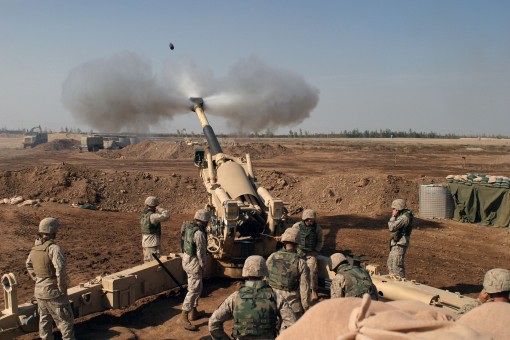
The geopolitical shocks hitting various parts of the world recently have crossed borders far beyond the conflict zones. The raging wars not only impact the nations directly involved but also trigger a significant downturn in global economic activity. Severed supply chains and market fear are now starting to be felt by everyone, from the business sector down to household consumers.
For a nation, this decline in economic activity is marked by weakening purchasing power, slowing industrial growth, and rising risks of layoffs. This situation naturally raises great concerns regarding our financial stability in the future.
So, how exactly can modern armed conflicts paralyze global economic activity? Let us break down the contributing factors along with a practical guide to keeping your finances resilient during these challenging times.
Why Have Recent Wars Paralyzed Economic Activity?
Our highly integrated world economy means that a disruption in one strategic region will immediately impact others. Here are some of the primary reasons why recent wars are triggering a global downturn in economic activity:
1. Fractured Global Supply Chains
Many regions experiencing conflict serve as vital shipping lanes or major producers of essential industrial raw materials. When war breaks out, trade routes become blocked and factories are forced to halt production. Consequently, companies worldwide face raw material shortages, leading to a drastic decline in their production activities.
2. Consumers and Investors Adopting a “Wait and See” Approach
Negative sentiment and the uncertainty brought by war cause economic actors to become extremely cautious. Investors tend to pull their capital out of emerging markets in favor of safer, low-risk assets. Meanwhile, the general public begins to hold back on spending, focusing only on basic necessities, which slows down the circulation of money in the real economy.
3. Escalating Corporate Operational Costs
War almost always triggers a spike in the prices of key commodities such as crude oil, gas, and food staples. This surge in energy prices automatically inflates factory operational costs, transportation, and logistics. Because production costs balloon at a time when public purchasing power is weak, many companies are forced to reduce their production capacities.
A Practical Guide to Maintaining Financial Stability Amid an Economic Slowdown
We cannot control the course of international politics, but we have full control over how we manage our personal finances. Here are some general educational tips to shield your assets from the impacts of an economic downturn:
1. Secure Your Liquidity (Cash)
During an economic slowdown, holding cash or assets that can be easily liquidated is absolutely crucial. Ensure you have a sufficient savings portion to cover living expenses for the next few months in case the unexpected happens. For the time being, avoid locking all your money into long-term investments that are difficult to cash out.
2. Streamline Your Household Budget
Now is the perfect time to review your monthly spending records. Reduce or postpone expenditures on secondary and tertiary items, such as luxury vacations or expensive hobbies. Reallocate the saved funds into an emergency fund to thicken your family’s financial cushion.
3. Maintain Productivity and Seek Additional Income Streams
A downturn in economic activity often impacts labor efficiency in the business world. Therefore, it is vital to continuously improve your skills (up-skilling) at work so that your position remains highly valued. If possible, consider exploring digital-based side hustles that do not require massive capital.
4. Shift Investments to Crisis-Resistant Sectors
If you still wish to invest, choose instruments with a strong track record during geopolitical crises. Physical gold remains the top choice for safeguarding fiat currency value against the eroding effects of inflation. Additionally, you can look into Government Securities (SBN), which offer stable yields and are fully backed by the state.
Conclusion: Stay Vigilant and Prepared
The decline in economic activity due to recent wars is a real challenge that must be faced with a clear head. Economic history shows that slowdowns like this are part of a global cycle that, sooner or later, will recover.
The best step we can take right now is not to panic, but to focus on self-preparation. By maintaining liquidity, living more frugally, and securing your assets in the right places, you will build a solid foundation to weather this economic storm safely.