



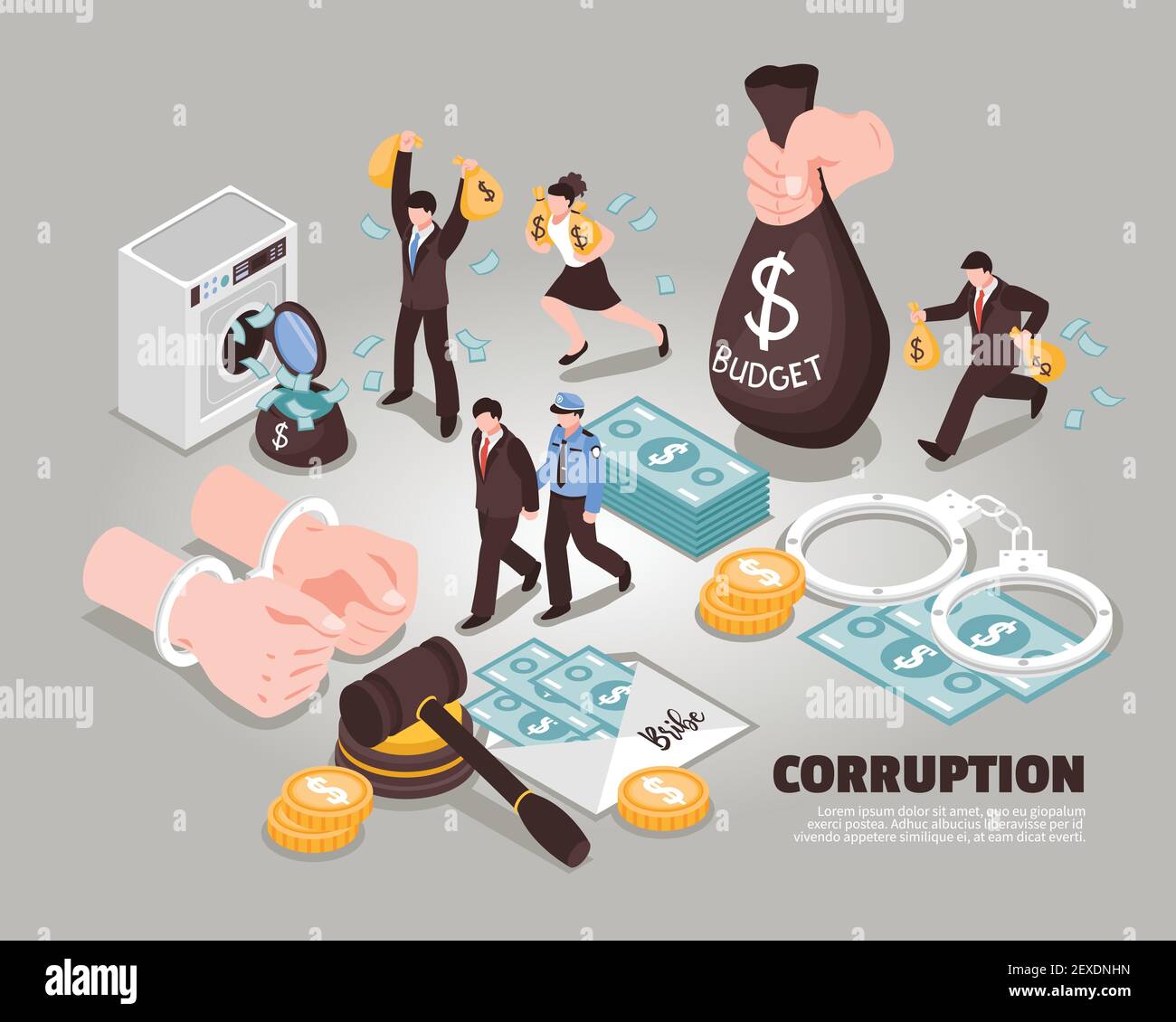
Draining State Coffers: The Real Impact of Corruption on Public Infrastructure Failure
Have you ever driven down a highway that was recently repaired, only to find it ruined and riddled with potholes in a matter of months? Or perhaps you have seen a public facility project left abandoned for years, turning into a hollow concrete ghost town? This harsh reality is not merely a technical construction issue; it is the direct consequence of budget leaks caused by corruption.
Corruption in the development sector acts as a parasite that slowly but surely drains the state coffers. When taxpayers’ money—which should be allocated for high-quality facilities—is instead slashed for personal gain, it is the citizens who must bear the risks. These infrastructure failures do not only bleed the country’s finances dry; they also pose a direct threat to public safety and human lives.
As citizens who funnel our taxes into the state treasury, we cannot afford to be passive spectators. Let us break down how corruption destroys our public utilities and discuss the concrete steps we can take together to overcome this crisis.
How Does Corruption Trigger Public Infrastructure Failure?
The practice of corruption in development projects follows a highly systematic pattern. Its toxic effects spread all the way from the initial planning stages down to the moment the facility is used by the public.
1. Bribery and Manipulated Procurement Processes
The bidding process for infrastructure projects is often a fertile breeding ground for collusion. Project winners are sometimes not the most competent contractors, but rather those who offer the largest bribes to corrupt officials. Consequently, the state budget is wasted from the very beginning just to cover bureaucratic “grease payments.”
2. Slashing the Quality of Construction Materials (Mark-Down)
To recover the capital spent on bribes and reap instant profits, corrupt contractors resort to illegal cost-cutting measures. They intentionally downgrade the material specifications stipulated in the official contract. Using low-grade cement, thin steel rebar, or cheap asphalt results in fragile infrastructure that deteriorates rapidly.
3. Ballooning Budgets and Abandoned Projects
Corruption frequently triggers markup practices, where project funds are inflated to irrational levels. When state funds are continuously siphoned off while construction stalls, the project is eventually left neglected or completely abandoned. The state coffers are drained in vain to fund half-finished structures that cannot be utilized by the public at all.
Social and Economic Consequences Borne by Citizens
When public infrastructure fails to function due to corruption, the domino effect directly hits the daily lives of citizens:
- Repetitive Budget Waste: The government is forced to repeatedly allocate emergency funds to repair the exact same facilities. Money that should otherwise be spent on education or healthcare is wasted on patching up preventable damage.
- Stagnating Economic Wheels: Severely damaged roads and broken bridges hinder logistics and mobility. The transportation cost of goods becomes much more expensive, which ultimately drives up the prices of basic necessities in the market.
A Practical Guide: How We as Citizens Can Fight the Corruption Crisis

Combating corruption in infrastructure procurement does not require us to be law enforcement officers. We can exercise our rights as citizens through these tactical actions:
1. Utilize Official Government Complaint Platforms
Today, technology has opened up wider avenues of transparency for the public. If you find a newly repaired road that is already broken or a suspicious project in your area, report it through official channels such as the LAPOR! application (Layanan Aspirasi dan Pengaduan Online Rakyat). Include photos, clear locations, and a timeline to back up your report.
2. Guard Budget Transparency Through Citizen Journalism
Every government project is legally required to display an information board stating the budget value, the contractor’s name, and the project duration. Use your smartphone to document this board along with the actual progress on the ground. Sharing this information objectively on social media with local community hashtags can create powerful social sanctions against fraudulent parties.
3. Support and Collaborate with Anti-Corruption NGOs
Civil movements hold immense power when united. You can support or get actively involved with local Non-Governmental Organizations (NGOs) focused on corruption issues, such as Indonesia Corruption Watch (ICW) or similar institutions. They have teams of experts who can help escalate citizens’ suspicious findings into the legal realm.
4. Foster an Anti-Corruption Culture in Your Immediate Environment
The most foundational step in breaking the chain of corruption is refusing to engage in any form of bribery in our daily lives. Do not make a habit of giving “facilitation payments” when dealing with public administration or handling traffic violations. By maintaining our own integrity, we build the foundation of a clean society that can confidently demand the same from its government.
Conclusion: Do Not Let State Coffers Be Wasted in Vain
The failure of public infrastructure due to corruption is a direct theft of our basic rights as citizens. Drained state coffers mean lost opportunities for our children to enjoy safe, proper, and decent public facilities.
Facing this crisis, apathy is the corruptors’ best ally. Start finding your voice, actively monitor the development around you, and utilize digital channels to report anomalies. One small report from you is a massive step toward safeguarding public funds and securing the future of our nation’s infrastructure.