
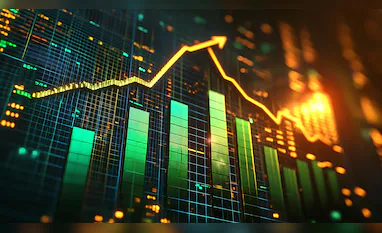
Avoiding the Whipsaw: Fakeout Traps in the Stock Market During FOMC Releases
For stock traders and financial market participants, the Federal Open Market Committee (FOMC) rate decision announcement is always the most anticipated—and nerve-wracking—event on the economic calendar. This periodic meeting by the U.S. Federal Reserve holds the key to global benchmark interest rates, directly shaping international market liquidity.
However, behind the promise of massive profit opportunities, FOMC decision nights harbor one of the deadliest traps for investors and traders alike. In financial circles, this trap is known as a whipsaw—an extreme price movement that suddenly reverses direction within seconds.
Many market participants, especially beginners, fall for the illusion of fakeout signals during high-impact news releases. Stock prices can violently surge upward, triggering aggressive buying sprees, only to plummet minutes later and wipe out entire trading accounts.
Let us explore in depth, in an accessible and practical way, how whipsaw price action occurs in the stock market, why fakeout signals catch so many traders off guard, and what concrete steps you can take to shield your portfolio from this hidden threat.
Understanding Whipsaws and Why They Are Extremely Dangerous
To understand the term whipsaw simply, imagine pulling a two-man hand saw back and forth across a log. That rapid, sharp, and violent push-and-pull motion provides a perfect visual representation of stock price behavior during a whipsaw event.
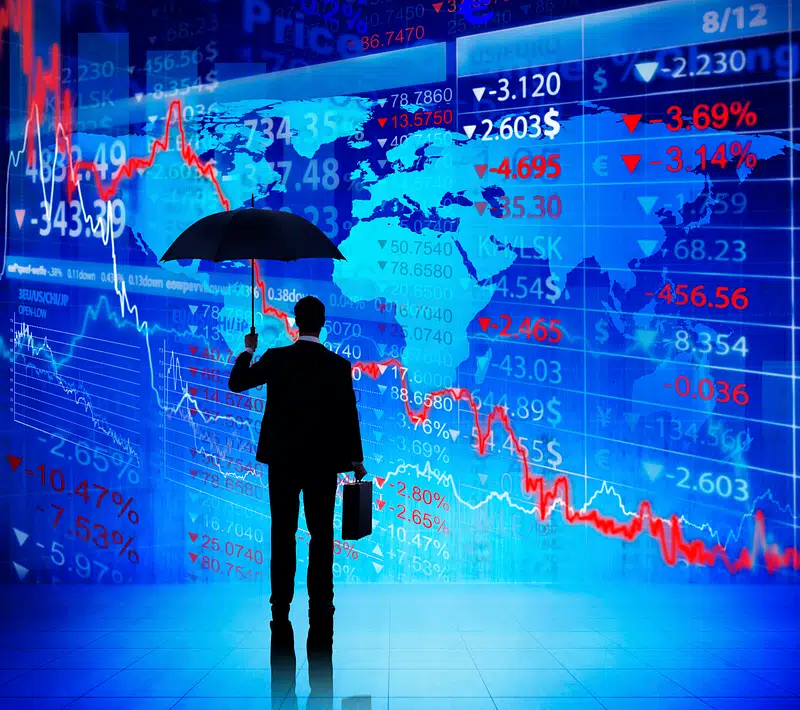
In financial markets, a whipsaw refers to a condition where an asset or stock index suddenly surges aggressively in one direction—generating a strong buy signal—only to abruptly reverse course and crash in the opposite direction within a very brief window.
This setup creates a double trap for traders. Those opening long positions get stopped out as prices collapse, while traders who hurriedly open short positions get crushed when prices bounce violently back upward.
The primary danger of a whipsaw extends beyond material financial loss. The psychological damage inflicted by erratic price action is often far more destructive, triggering panic, intense frustration, and revenge trading that ultimately leads to account destruction.
How FOMC Meetings Act as Primary Catalysts for Fake Signals
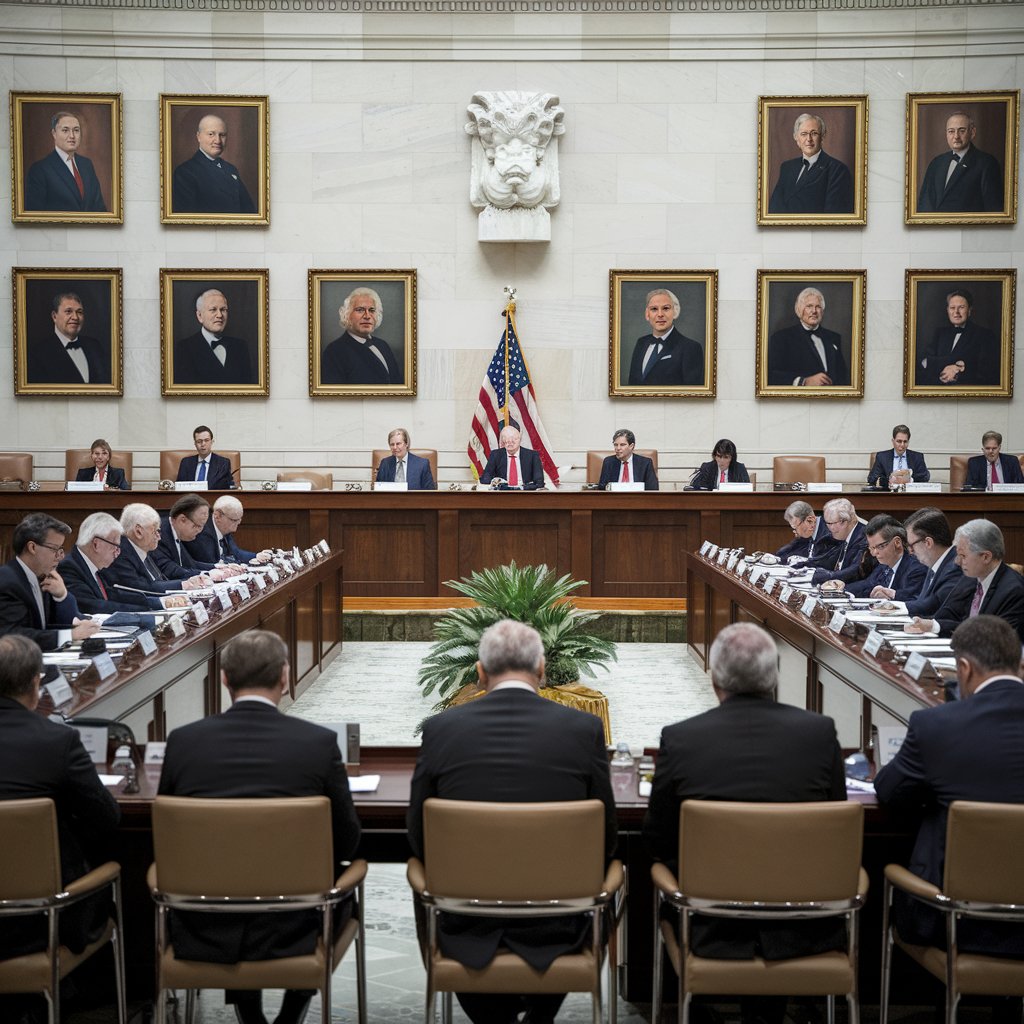
The Federal Open Market Committee (FOMC) is the branch of the Federal Reserve responsible for determining U.S. monetary policy. The decisions made during these meetings, particularly regarding interest rate hikes or cuts, exert immediate influence on global asset prices.
An FOMC release night typically unfolds across two distinct and critical stages. The first stage is the publication of the official policy document (FOMC Statement) alongside the benchmark interest rate figure at a scheduled time.
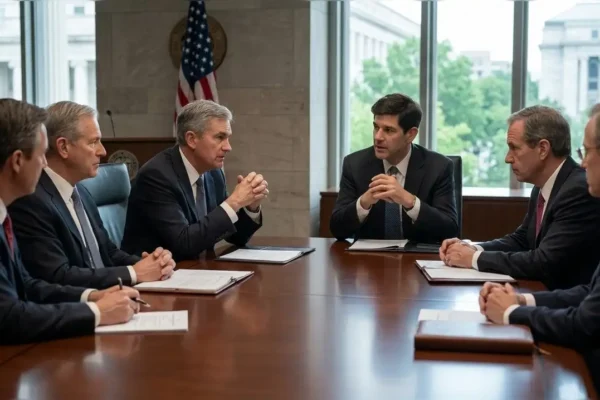
The second stage, which usually occurs 30 minutes later, is the press conference led by the Federal Reserve Chair. This second phase is where volatility spikes and whipsaws frequently reach their peak intensity.
Often, the initial policy statement delivers an optimistic tone that sends stock prices soaring instantly. However, once the Fed Chair begins speaking during the press conference and adopts a more restrictive or hawkish tone, market direction can flip 180 degrees within seconds.
Real-World Case: The Story of a Trader Caught in an FOMC Fakeout
To see how a whipsaw trap plays out in real life, consider the story of a retail trader named Alex during an FOMC rate decision release.
Alex had been sitting in front of his trading screens since early evening, watching market indices consolidate calmly. At exactly 2:00 PM, the FOMC statement was published, showing that the central bank left interest rates unchanged, exactly as the market expected.
Within two minutes, stock charts spiked upward, forming a massive green candle. Believing the market was enthusiastically embracing the news, Alex immediately opened a sizable long position without setting a protective stop-loss order.
Disaster struck 15 minutes later when the press conference commenced. The Fed Chair signaled strongly that interest rates would remain elevated for much longer than market participants had anticipated.
Instantly, stock prices reversed course and plunged below the pre-release lows. In less than half an hour, Alex’s long position suffered heavy losses, wiping out an entire month’s worth of trading gains due to a classic fakeout signal.
The Anatomy of Price Action During Major News Announcements
Why do stock prices move so erratically and generate false signals when FOMC news drops? The answer lies in market mechanics, order book liquidity, and high-frequency trading (HFT) algorithms.
Minutes before major economic news is released, institutional fund managers and market makers routinely withdraw their limit orders from the market. They prefer waiting for data clarity rather than speculating amidst extreme uncertainty.
This withdrawal of liquidity causes market depth to thin out dramatically. When market liquidity is sparse, even moderate order flow can cause disproportionately massive price spikes or sharp crashes.
Simultaneously, automated computer algorithms designed to scan keywords in the FOMC text execute thousands of trades per millisecond. This automated buying or selling creates artificial price leaps long before human market participants can process the full context of the announcement.
Comparing Whipsaw Impacts: Stocks, Forex, and Crypto Markets
Sensitivity to whipsaw price action during FOMC releases varies across different financial instruments. Understanding the unique characteristics of each market helps you gauge the level of risk you face.
Stock Markets and Global Indices
In stock markets, whipsaw effects concentrate primarily around major benchmark indices like the S&P 500, Nasdaq 100, or Dow Jones. While large-cap blue-chip equities react swiftly to rate sentiment, underlying liquidity generally keeps price reversals somewhat more structured.
Foreign Exchange (Forex) Markets
The Forex market exhibits whipsaw price action at breathtaking speed, especially on major currency pairs tied to the U.S. Dollar. Massive liquidity combined with high-speed execution can send currency pairs surging 100 pips higher and immediately plunging 150 pips lower in seconds.
Cryptocurrency Markets
Crypto assets trade continuously 24/7 and demonstrate extreme sensitivity to global macroeconomic liquidity conditions. During FOMC releases, Bitcoin and Ethereum often undergo wild whipsaws driven by high retail leverage across derivative exchanges.
Why Retail Traders Most Frequently Become Victims
Retail investors and individual traders are the most vulnerable cohort when whipsaws hit stock markets. Several psychological and technical factors make retail traders prone to falling for these traps.
Falling Victim to FOMO (Fear of Missing Out)
When observing sudden, vertical price candles on a monitor, human emotion naturally succumbs to the fear of missing out on quick profits. This emotional urge overrides logic, prompting traders to chase the market at peak prices.
Execution Latency
Retail trading platforms operate with noticeable latency compared to institutional co-located servers on Wall Street. By the time a retail trader clicks the buy button upon seeing a green candle, prices have often reached a temporary peak and are primed for reversal.
Excessive Leverage Usage
Many retail traders utilize excessive margin or leverage hoping to amplify returns during volatile FOMC announcements. Over-leveraging leaves accounts highly susceptible to rapid liquidation, even from minor adverse price fluctuations.
Institutional Market Players and Liquidity Sweeps
Retail traders must recognize that institutional market participants, such as hedge funds and investment banks, trade with vast pools of capital. They cannot buy or sell millions of shares without pushing market prices significantly against themselves.
To execute massive institutional orders, large players require deep liquidity pools. The exact price levels where retail traders place their protective stop-loss orders represent ideal liquidity pools for institutions.
The process of triggering these stop-loss clusters is known as a liquidity sweep. Institutional algorithms intentionally push prices past obvious support or resistance levels to trigger mass retail stop-loss executions.
Triggering these stop-loss orders provides the necessary counterpart liquidity for institutional buyers or sellers to accumulate large positions at favorable prices. Once liquidity is absorbed, prices reverse sharply toward the true market direction.
The Three Phases of an FOMC Whipsaw Pattern
Recognizing the distinct phases of a whipsaw setup helps you spot this dangerous pattern before getting caught in it. Generally, an FOMC-driven whipsaw progresses through three stages.
1. The Squeeze Phase (Calm Before the Storm)
Hours leading up to the news release, stock price action typically contracts into a tight consolidation range. Volatility indicators drop significantly as market participants adopt a wait-and-see approach.
2. The Fakeout Phase (The False Breakout)
The moment policy documents drop, prices aggressively break through upper or lower consolidation bounds. This rapid spike triggers stop-loss orders from opposing positions while enticing breakout traders to jump in.
3. The Reversal Phase (True Market Direction)
After retail orders are fully absorbed by institutional liquidity, prices reverse violently toward their genuine economic direction. This reversal phase usually unfolds faster and moves deeper than the initial breakout spike.
The Impact of Whipsaws on Psychology and Risk Management
The structural damage caused by a whipsaw extends deep into a trader’s emotional state, impacting long-term performance. Experiencing consecutive losses within minutes severely impairs emotional self-control.
This compromised mindset frequently triggers revenge trading—the impulsive urge to open larger, reckless positions to recover recent losses quickly. Revenge trading almost invariably leads to severe account drawdowns or total liquidation.
Furthermore, whipsaws degrade the effectiveness of standard risk management tools like stop-loss orders. During moments of extreme volatility, a phenomenon known as slippage occurs.
Your stop-loss order may execute at a significantly worse price than requested because no buyers or sellers exist at your exact price level during a liquidity vacuum. This results in actual realized losses far exceeding your planned risk parameters.
Reading Body Language and Tone During Fed Press Conferences
Often, the primary catalyst behind a major whipsaw is not the published benchmark rate number itself, but the tone and narrative conveyed by the Fed Chair during the press conference.
Stock markets are hyper-sensitive to hawkish (monetary tightening) versus dovish (monetary easing) commentary. A single phrase like “we continue to see persistent inflationary pressures” can instantly crush a stock rally that began minutes earlier.
Experienced market participants pay close attention to the Fed Chair’s responses during Q&A sessions. Hesitant answers or hints that interest rates will stay higher for longer typically trigger sharp equity sell-offs.
Relying solely on headline rate decisions while ignoring the nuanced messaging during the press conference exposes your portfolio to unnecessary risk.
Practical Strategies to Avoid FOMC Whipsaw Traps
Protecting your investment capital during high-impact FOMC releases requires strict discipline and tested frameworks. Here are practical rules you can implement immediately.
The Golden Rule: Stay Out During the First 15–30 Minutes
The simplest and most effective protective measure is maintaining a flat position when news breaks. Allow the initial market volatility to exhaust itself and let false signals flush out speculative participants.
Waiting until the press conference concludes and price structure stabilizes gives you far greater clarity on valid market trends. Missing the initial volatile move is a small price to pay for capital preservation.
Confirm Signals on Higher Timeframes
Avoid taking trading actions based on micro timeframes like 1-minute or 5-minute charts during major news releases. Price spikes on lower timeframes are filled with structural noise and fakeouts.
Focus on candle closes on higher timeframes, such as 1-hour or 4-hour charts. If stock prices hold above key levels after a 1-hour candle close, the underlying move is far more reliable.
Reduce Position Sizing Significantly
If you choose to trade around FOMC announcements, cut your position size down to a fraction of your normal risk allocation. Smaller position sizing keeps emotional pressure manageable even during wide price swings.
Using Technical Indicators to Filter Fake Signals
While technical indicators can lag during news events, combining specific tools helps filter out false breakouts.
Average True Range (ATR) for Volatility Assessment
The Average True Range (ATR) indicator helps gauge whether market volatility has reached dangerous levels. If ATR values spike well above historical averages, it signals that whipsaw conditions are at peak probability.
Volume Profile and Liquidity Tracking
Always analyze the trading volume accompanying an initial price breakout. Genuine, sustainable price expansions require expanding institutional trading volume.
If stock prices push to new highs on declining volume, the move is likely a low-liquidity fakeout engineered to capture stop-loss liquidity.
Specialized Risk Management Protocols for FOMC Nights
Navigating high-risk news events requires strict risk controls beyond daily trading routines.
First, review all open positions hours before the release. If you hold profitable positions, consider securing partial profits or adjusting stop-loss orders to breakeven levels.
Second, cap maximum risk per trade at no more than 1% of total account capital. Strict position sizing ensures that if unexpected slippage occurs during a whipsaw, your account remains structurally sound.
Third, avoid using pending stop orders (such as buy stop or sell stop orders) directly above or below consolidation ranges prior to news releases. Straddling the market this way frequently results in getting whipsawed on both sides of the trade.
Pros and Cons of Staying Sidelined During FOMC Releases
Choosing to remain a passive spectator during FOMC announcements carries distinct advantages and trade-offs. Weighing both sides helps you select an approach aligned with your risk tolerance.
Advantages of Staying Sidelined
- Capital Protection: Your investment capital remains completely safe from unexpected slippage and market gaps.
- Psychological Peace: You avoid intense emotional stress and late-night chart watching.
- Rational Decision-Making: You can analyze market reactions calmly the following day once volatility normalizes.
Trade-Offs to Accept
- Missing Initial Surges: You will miss quick upside moves if the market trends cleanly in one direction without whipsawing.
- Patience Required: You must wait patiently for new, stable consolidation structures to form before entering trades.
Common Mistakes Retail Investors Must Avoid
To protect your capital from severe drawdowns, take note of these common mistakes frequently made by retail participants during news events.
The first mistake is trusting initial headline narratives blindly. Traders often read headline numbers and assume immediate market direction. Stock markets routinely drop on positive news if that news was already priced in beforehand (sell the news).
The second mistake is averaging down on losing positions. Adding capital to a declining trade during extreme volatility dramatically accelerates potential account destruction.
The third mistake is ignoring the press conference. Focusing exclusively on rate figures without listening to the Fed Chair’s commentary leaves you blind to the primary driver of market direction.
Step-by-Step Action Plan for FOMC Announcement Nights
To streamline your process, use this step-by-step checklist whenever FOMC rate announcements approach:
- Mark the Calendar: Note exact release times for the official policy statement and the subsequent press conference in your local time zone.
- Close High-Risk Positions: Reduce or close short-term, high-leverage positions at least one hour before news publication.
- Step Away From Lower-Timeframe Screens: Avoid watching tick-by-tick charts when documents are released to prevent impulsive, emotional trades.
- Listen to the Press Conference: Focus on commentary regarding long-term inflation outlooks, labor market metrics, and growth projections.
- Re-evaluate Markets the Next Day: Observe daily candle closes the following morning. Enter market positions only after technical trend structures display clear confirmation.
Final Thoughts: Navigating Market Volatility Wisely
The stock market during an FOMC announcement offers a compelling display of volatility, but beneath the surface lies the threat of whipsaw traps capable of damaging accounts in seconds.
As a disciplined investor or trader, your primary goal is not guessing short-term price direction fastest, but protecting capital against false signals with unwavering consistency.
By understanding whipsaw mechanics, mastering emotional discipline, and waiting patiently for confirmed market trends, you position yourself to navigate high-volatility events successfully.
Remember that financial markets will always open tomorrow with fresh, safer opportunities. Protecting your capital today is the single most important victory on your journey toward long-term financial success!