
Stock Trading Risk Management in the Midst of FOMC Day Volatility Storms
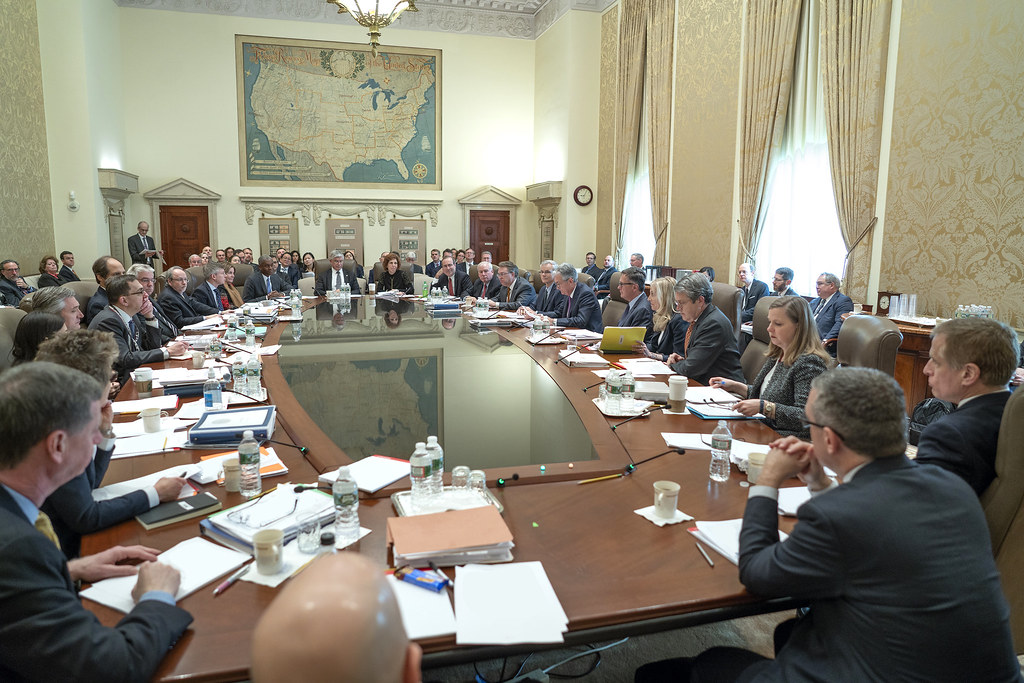
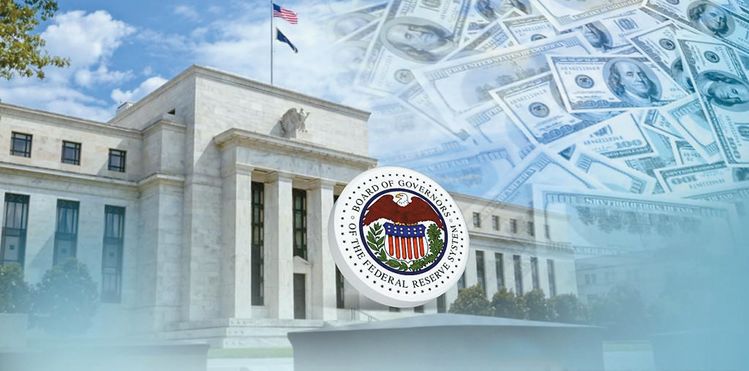
For any investor or trader in the global stock market, no day is anticipated and feared quite like the interest rate announcement from the Federal Open Market Committee (FOMC). Frequently referred to as “FOMC Day,” this event sees the United States central bank take full control over the direction of global financial liquidity.
When the meeting results are released to the public, stock price charts can transform into wild swings within seconds. Benchmark equity indices can surge upward in a bullish impulse, only to suddenly reverse into a steep dive triggered by a single sentence during the press conference.
For traders lacking thorough preparation, the volatility storm of FOMC Day routinely leads to financial catastrophe. Capital accumulated over months of hard work can evaporate in an instant due to reckless choices driven by emotion and panic.
Yet, amid such fierce price fluctuations, one primary defense separates amateur traders from seasoned professionals: disciplined risk management. Let us break down in an accessible, practical, and deep manner how to safeguard your stock portfolio when navigating one of the most volatile days in financial markets.
Why Is FOMC Day So Fear-Inducing for Stock Markets?
To grasp the magnitude of FOMC Day’s impact, we must observe how global financial markets react to United States monetary policy. The benchmark interest rate established by the Federal Reserve serves as the foundational pillar determining currency values, corporate borrowing costs, and stock valuations worldwide.
In the hours leading up to the official release, market conditions often become strangely quiet. Major institutional fund managers, commercial banks, and global pension funds choose to step back and withdraw liquidity orders from the order books until clear policy data emerges.
This withdrawal of institutional orders causes market depth to drop precipitously. When market liquidity reaches such thin levels, even moderate order sizes can trigger exceptionally large price slippages and aggressive spikes.
The moment the official documents publish, thousands of automated High-Frequency Trading (HFT) algorithms execute orders simultaneously based on text parsing. The combination of thin market depth and rapid algorithmic execution creates a chaotic environment where retail traders easily get caught in traps.
Real-World Case: A Hard-Learned Lesson from Anton’s Experience
To observe how crucial risk management is during FOMC Day, consider the real-life story of Anton, a retail stock trader with three years of market experience.
On a particular FOMC announcement night, Anton was convinced that equity markets would rally strongly because recent economic data showed cooling inflation. Relying heavily on his personal prediction, he decided to open large long positions in several mega-cap technology stocks minutes before the news hit the wires.
Overconfident in his forecast, Anton committed nearly 80% of his total account equity and deliberately disabled his stop-loss orders to avoid getting stopped out by initial market noise or false breakouts. Initially, his directional guess seemed brilliant as stock prices surged upward in a massive green candle.
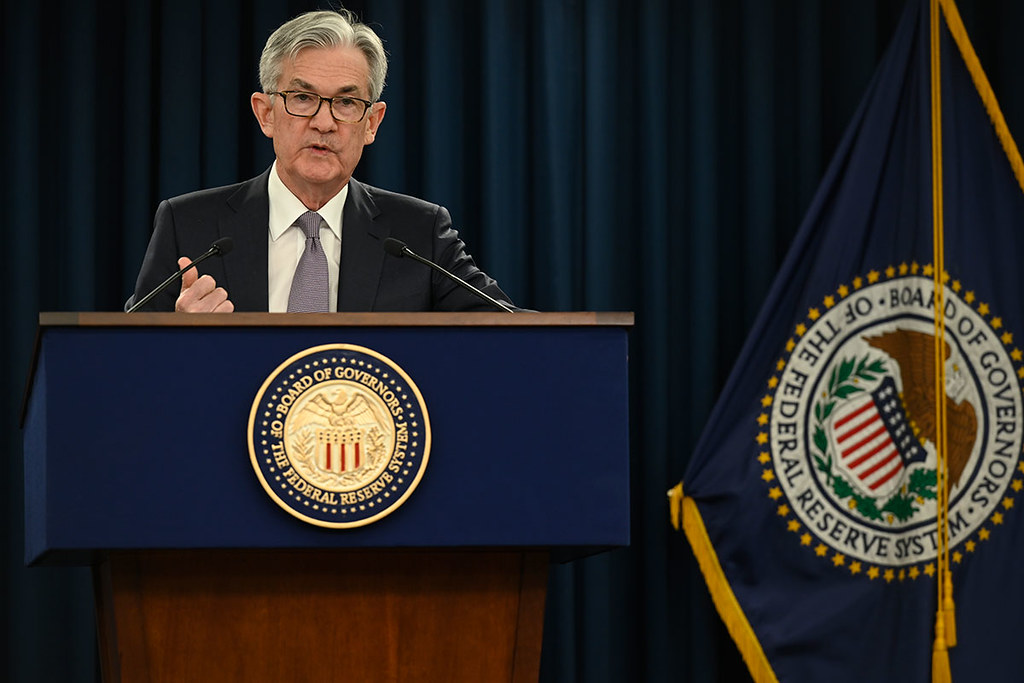
However, when the Federal Reserve press conference commenced 30 minutes later, the Fed Chair delivered remarks that were far more hawkish than consensus expectations. Within less than 20 minutes, the entire initial rally was erased, and the market plunged sharply.
Anton’s trading account suffered a devastating drawdown of over 40% in a single night. This painful experience served as a harsh wake-up call for Anton, proving that guessing news direction without active risk protection is a dangerous form of gambling.
The First Pillar: Establishing Your Maximum Risk Limit Per Trade
The most vital step in building a resilient risk management framework is predefining how much capital you are willing to forfeit if a worst-case scenario unfolds. The golden rule observed by professional market participants is the 1% Risk Rule.
This core principle dictates that you should never risk more than 1% of your total account equity on any single trade setup. If your total trading capital stands at $10,000, your maximum allowable loss on a trade should be capped at $100.
Applying this rule does not mean you are restricted to purchasing only $100 worth of shares. Rather, it means that the distance between your entry price and your stop-loss price, multiplied by the number of shares bought, must equal no more than $100.
By rigorously adhering to this risk limit, you ensure that even if market spikes hit your stop-loss during FOMC volatility, your account retains the financial health required to continue trading effectively on subsequent days.
Adjusting Position Sizing for High-Volatility Environments
Many novice traders commit a critical error by maintaining identical position sizing during major economic releases like FOMC Day as they do on normal trading days. This mistake routinely results in amplified portfolio damage.
On a standard trading session, an equity index’s daily price range might span between 0.5% and 1%. On FOMC Day, however, that intraday price range can easily expand to 3% or even 5% within brief periods.
As market volatility expands, you must naturally widen your structural stop-loss distances to avoid getting prematurely stopped out by standard price noise. To keep your actual dollar risk constant (in accordance with the 1% Risk Rule), the overall number of shares you purchase must be scaled down accordingly.
Reducing your position size when volatility surges is an elegant defensive adaptation. It grants your trades sufficient structural breathing room without forcing you to compromise the total safety of your portfolio.
The Reality of Slippage: Why Stop-Loss Orders CAN Fail
A hard truth that every market participant must understand when facing FOMC Day is the structural reality of execution slippage.
Many traders operate under the false assumption that placing a stop-loss order at a specific price guarantees their exit at that exact level. Regrettably, financial market execution mechanics do not function seamlessly during extreme volatility events.
A stop-loss order is essentially a conditional trigger that converts into a market order once the stop price is breached. When order book liquidity suddenly evaporates during news releases, there may be no matching buyers or sellers available at your exact stop level.
Consequently, your broker’s order routing system executes your stop-loss at the next available market price, which is often significantly worse than your intended exit point. Recognizing slippage risk highlights why reducing initial position size is far more reliable than depending solely on stop-loss placement.
Decoding the Hidden Insights Within the Dot Plot Projection
Four times a year, the FOMC interest rate decision is accompanied by the Summary of Economic Projections, which features the highly anticipated Dot Plot chart. This document displays individual dots representing each Fed official’s personal projection for benchmark interest rates over upcoming years.
Frequently, the stock market’s reaction to the immediate rate decision remains muted, only to erupt into volatile swings once institutional analysts process shifts in the Dot Plot. If the plot reveals that a majority of policymakers favor keeping interest rates “higher for longer,” equities can experience severe selling pressure.
As a risk-conscious trader, your goal is not to predict the exact layout of the Dot Plot. Instead, your objective is to recognize that quarterly meetings accompanied by economic projections carry significantly higher volatility risk than standard policy releases.
Adopting a more conservative risk stance or reducing open capital exposure during these quarterly projection sessions is a prudent approach to protecting your account from unexpected policy shifts.
Safe Execution Guidelines for Pending Orders
Beyond standard market orders, some traders attempt to capture FOMC price surges by placing pending orders, such as buy stops above resistance or sell stops below support levels. However, deploying these order types during high-impact news demands extreme caution.
Setting a buy stop above resistance and a sell stop below support simultaneously before the announcement—commonly referred to as a straddle strategy—exposes you to severe double whipsaw risk.
When the release occurs, prices can spike upward to trigger your buy order, then instantly collapse downward to trigger your sell order, executing stop-loss hits on both trades within seconds.
If you choose to utilize pending orders during volatile events, opt for Stop-Limit Orders rather than Stop-Market Orders. Stop-Limit structures allow you to specify the maximum acceptable execution price, preventing your account from absorbing massive slippage.
Hedging Strategies to Safeguard Long-Term Portofolios
For equity investors holding long-term stock portfolios who prefer not to liquidate positions prior to major events, implementing structural hedging strategies can serve as a vital defensive buffer against FOMC market shocks.
A straightforward method of hedging involves utilizing derivatives such as options contracts or index futures. Purchasing protective Put Options on a benchmark stock index (such as the S&P 500) functions like buying an insurance policy on your physical equities.
If the FOMC announcement triggers a broad equity market decline, the gains generated by your Put Options can offset or mitigate the paper losses incurred across your primary stock portfolio.
However, keep in mind that execution of hedging strategies requires a clear understanding of option greeks, premium decay, and expiration timing. Avoid attempting complex hedging setups without first mastering the underlying mechanics.
Emotional Control: Overcoming the Enemy Within
Mathematical risk formulas and advanced technical models are ineffective if you cannot manage your psychological state while watching market prices fluctuate rapidly.
The two most dangerous psychological pitfalls during FOMC Day are FOMO (Fear of Missing Out) and impulse revenge trading.
The Danger of FOMO During Aggressive Rallies
When a massive green candle expands across your screen, your brain responds with a strong surge of dopamine. The fear of missing out on easy profits can tempt you to hit the buy button at the absolute top of an extended move, which is historically the worst technical location to enter.
The Revenge Trading Trap Following a Loss
When an open trade is closed out by a stop-loss, feelings of frustration and denial often cloud objective thinking. The impulse to open a new position immediately with larger position sizes to “win back” lost capital is the fastest path toward compounding losses.
Maintaining Distance: The “No-Trade Window” Strategy
One of the most effective practical rules implemented by experienced market professionals is establishing a strict “No-Trade Window.”
This protocol requires you to refrain from opening any new trading positions for at least 15 to 30 minutes before the FOMC document is released, and to remain on the sidelines until 30 minutes after the press conference concludes.
Why is this time frame so critical? Because during this window, price action is driven primarily by emotional speculation, institutional algorithms, and deliberate liquidity sweeps executed by market makers.
By intentionally stepping back during peak volatility, you allow order flow turbulence to clear. You can then evaluate technical chart structures with a calm, objective mindset once cleaner post-news trends establish themselves.
Evaluating the Pros and Cons of Staying on the Sidelines
For many market participants, the optimal tactical decision on FOMC Day is simply staying on the sidelines and taking no trades at all. Let us weigh the advantages and trade-offs of this defensive stance.
Advantages of Staying on the Sidelines
- Complete Capital Safety: Your capital remains fully protected from unexpected price spikes, broker execution delays, and severe slippage.
- Preserved Psychological Energy: You avoid the intense stress, elevated heart rates, and emotional fatigue associated with monitoring erratic news candles.
- Higher-Quality Decision Making: You can analyze the resulting higher-timeframe trends objectively the following day without managing drawdown stress.
Trade-Offs to Accept
- Foregoing Quick Profit Opportunities: You will miss out on potential rapid gains if the market executes a clean, single-direction trend.
- Requires Deep Emotional Discipline: For active traders, sitting idle while charts move rapidly demands high self-control and patience.
Portfolio Diversification and Defensive Sector Rotation
Risk management during FOMC Day extends beyond short-term day trading; it plays an equally important role in managing medium- and long-term investment portfolios.
Projections of sustained high interest rates from the FOMC tend to place pressure on high-growth stock sectors and debt-heavy companies. Conversely, financial sectors and commercial banks may benefit from expectations of expanded net interest margins.
Prior to an FOMC release, review your asset allocation. Shifting a portion of your portfolio toward defensive sectors—such as consumer staples, healthcare, or utilities—can help buffer your overall portfolio against broad market drawdowns.
Furthermore, maintain a healthy cash reserve. Carrying cash provides the flexibility needed to acquire shares of high-quality companies at discounted valuations if the broader market experiences a temporary post-announcement sell-off.
Monitoring Intermarket Correlations
Equities do not move in isolation. During an FOMC release, stock price action is tightly coupled with macroeconomic indicators, most notably U.S. Treasury Yields and the U.S. Dollar Index (DXY).
Generally, a strong inverse correlation exists between the U.S. Dollar Index and global equity performance. If an FOMC statement triggers a sharp upward spike in DXY and 10-year Treasury yields, equity markets almost universally face strong selling pressure.
Monitoring DXY and Treasury yields on secondary screens provides valuable context regarding broader liquidity movements.
If you observe stock prices attempting a bullish breakout while the Dollar Index is simultaneously surging to new local highs, exercise caution—the equity move may be a false breakout prone to rapid failure.
The Importance of Post-FOMC Performance Logging
Comprehensive risk management does not end when the market close bell rings on FOMC Day. The final phase involves conducting an objective post-trade review using a dedicated trading journal.
Once intraday volatility settles, take time to record every action executed during the session. Document your entry rationales, note any execution slippage experienced, and assess your emotional state throughout the volatility.
Did you adhere strictly to your 1% risk cap per trade? Did you fall victim to impulse entries or revenge trading during sudden price swings?
Consistently logging and reviewing your performance after major economic events helps identify recurring analytical or psychological errors. Over time, this practice builds the discipline required to navigate complex market environments effectively.
Pre-FOMC Day Preparation Checklist
To help you apply these risk management principles systematically, use this practical checklist prior to the next Federal Reserve policy release:
- Verify the Economic Calendar: Confirm the exact release time of the official policy document and the subsequent press conference in your local time zone.
- Review Open Portfolio Risk: Ensure the cumulative risk across all open positions remains well within your acceptable monthly drawdown threshold.
- Disable Excess Margin/Leverage: Avoid employing high financial leverage during news releases to eliminate the risk of unexpected margin calls.
- Scale Down New Position Sizes: If you identify valid setups, reduce your entry position size by at least 50% relative to standard trading sessions.
- Adjust Stop-Loss Distances: Widen your structural stop-loss distances to account for expanded Average True Range (ATR) conditions.
- Establish Clear Profit-Taking Targets: Scale out of existing positions to lock in partial profits if your trades are in profit prior to the announcement.
Final Thoughts: Capital Preservation Above All Else
Ultimately, long-term success in financial markets is not determined by how often your market forecasts are correct, but by how effectively you protect your account when your analysis is wrong.
FOMC Day serves as an ultimate test of a trader’s capital protection strategy and mental discipline. Financial markets will always offer fresh trading opportunities every day, but capitalizing on them requires keeping your trading capital intact.
Prioritize risk management above the pursuit of rapid gains. Master your position sizing, respect your predefined risk limits, and never hesitate to remain a spectator when market volatility is at its peak. Trade thoughtfully and protect your capital above all else.