

Fiscal Policy 101: How Taxes and Government Spending Shape Your Life
Have you ever wondered why prices suddenly surge or why finding a job feels exceptionally difficult at certain times? Many people quicky blame inflation or global market conditions as the primary culprits. However, there is a massive force working behind the scenes that steers all of these moving parts: government fiscal policy.
Fiscal policy is one of the most potent tools a government possesses to captain the economic direction of a nation. Every single decision made regarding how much money to pull from the public and where to reallocate those funds has a direct impact. This impact trickles down straight to your wallet, your dining table, and your everyday career longevity.
Understanding the basics of fiscal policy is no longer just for academics, economists, or finance ministers. In today’s uncertain global economy, macro-financial literacy is your best shield for survival. When you know where government policy is heading, you can make significantly smarter personal financial decisions.
This general educational guide is designed as a practical manual to help you break down the intricacies of fiscal policy simply. We will explore how this giant wheel driven by taxes and public spending turns. Let’s examine how these core instruments dictate the way you live, work, and plan for your future.
What Is Fiscal Policy and Who Controls It?
Put simply, fiscal policy is the strategy of adjusting government spending and revenue levels to influence a nation’s macroeconomic conditions. Think of the government as a household manager on a monumental scale. They must calculate incoming revenues and figure out how to spend that capital to keep the entire family prosperous.
The two main pillars of fiscal policy are taxes as the primary revenue source and the budget as the spending pipeline. In most countries, fiscal policy is formulated by the executive branch, specifically the ministry of finance or treasury, with the formal approval of the legislative body or parliament. This process births an annual blueprint known as the state budget.
The primary objectives of fiscal policy are to maintain stable economic growth, generate employment opportunities, and control consumer price volatility. Governments use this tool to intervene in the market when the economy runs too sluggishly or heats up too quickly. It is through these interventions that your financial life as a citizen is tangibly altered.
The Twin Faces of Fiscal Policy: Expansionary vs. Contractionary
Governments do not employ the exact same strategy all the time; they shift tactics depending on the underlying health of the economy. There are two primary types of fiscal policy implemented globally: expansionary and contractionary policies. These two strategies produce completely opposite effects on the economic activity surrounding you.
Expansionary Fiscal Policy: Hitting the Gas on Growth
Expansionary policy is deployed when the economy is sluggish, slowing down, or facing the daunting threat of a recession. To stimulate activity, the government will slash tax rates and aggressively launch massive public spending projects. This move aims to pump as much liquid cash as possible into the hands of consumers and businesses.
When taxes are cut, you take home a larger portion of your salary to spend at retail centers. Businesses experience a sudden surge in orders, and the government constructs new infrastructure that absorbs thousands of local workers. This domino effect sparks economic excitement, gets business wheels spinning again, and opens up new career paths for the public.
Contractionary Fiscal Policy: Slamming the Brakes on Inflation
Contractionary policy is the exact polar opposite of expansionary, where the government intentionally steps on the brakes to slow down the economy. This strategy is triggered when the economy grows too fast and overheats, which typically sparks dangerous inflationary spikes. The government will hike tax rates and sharply prune their own spending budgets.
By hiking taxes, the volume of cash circulating among the public decreases as it is pulled back into the state treasury. When spending budgets are cut, public projects are postponed, causing commercial business activities to cool down naturally. While it sounds painful, this step is vital to prevent currency depreciation and keep everyday goods affordable.
Taxes: How Income Cuts Alter Your Behavior

Taxes are frequently viewed as an annoying burden or a mandatory fee by most taxpayers. However, through the lens of fiscal policy, taxes are the ultimate control lever to regulate liquidity and public consumption behavior. Every time a government changes the tax rules, your lifestyle and spending habits are bound to shift.
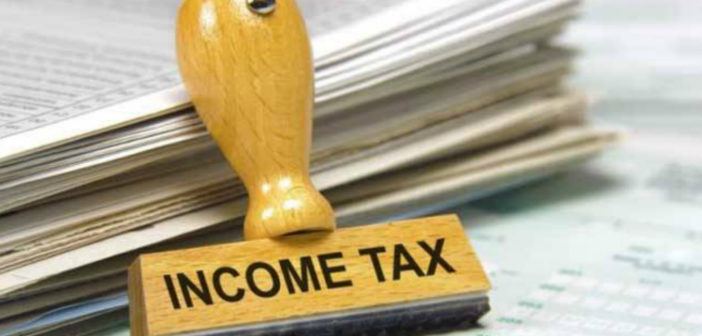
Direct taxes, such as Income Tax, instantly determine the net amount of cash you can take home. If income tax rates are lowered, your purchasing power climbs, and you might confidently decide to take on a mortgage or buy a new vehicle. Conversely, a tax hike forces you to tighten your belt and put non-essential expenditures on hold.
There are also indirect taxes, such as Value Added Tax (VAT) or sales tax, which attach directly to the items you purchase. Any increase in VAT rates, no matter how small, instantly inflates prices at the supermarket checkout or your preferred online shopping app. This expands your daily cost of living and forces you to think twice before transacting.
Examining Tax Incentives and Sin Taxes
Governments also use taxes to guide you away from or toward specific products for long-term social benefits. If a government wants to support environmental sustainability, they will offer tax credits or exemptions for electric vehicle buyers. This fiscal move makes eco-friendly products cheaper and more attractive to consumers.
Conversely, governments apply extremely high tax rates to products deemed harmful to personal health or the environment. This specialized levy is widely known as a sin tax, usually targeting tobacco products, alcohol, and sugary drinks. The soaring retail prices caused by these taxes are intentionally engineered to make you reduce your consumption of hazardous goods.
Public Spending: Where Are Your Tax Dollars Going?
The second pillar of fiscal policy is public spending—how the government channels the money collected from taxpayers back into society. Spending allocations mirror what a nation prioritizes during a specific timeframe. These allocation decisions determine the safety, convenience, and quality of the public facilities you enjoy every single day.
Government spending is split into several large sectors, such as civil service payrolls, commercial goods procurement, subsidies, social welfare, and infrastructure investment. When a government allocates deep funds to construct highways, ports, or mass transit networks, logistics efficiency improves. For you, this means a faster daily commute and cheaper goods in your local area.
Education and healthcare sectors are also major beneficiaries of human capital spending budgets. Allocations for tuition-free schools, student scholarships, and subsidized public healthcare directly alleviate your family’s financial burdens. Without strong state spending in these sectors, quality education and medical care would become prohibitively expensive for the general public.
The Multiplier Effect of Government Spending
One of the reasons why state spending is so powerful in shaping your life is the concept of the multiplier effect. When the government spends a single dollar to build a bridge, that money does not just stop at the primary contractor. The contractor will buy cement from a local factory, rent heavy machinery, and pay wages to hundreds of construction workers.
Those construction workers who receive their wages will then spend their money on groceries, clothing, and their children’s school tuition. The local diner owners and clothing retailers experiencing this boom will, in turn, increase orders from their respective suppliers. Through this continuous loop of consumption, a single government spending decision creates layers of prosperity across society.
The Impact of Fiscal Policy on Employment and Your Career
Are you currently searching for a new job or aiming for a promotion at work? Your chances of achieving those career goals are heavily influenced by the combination of fiscal policies currently in play. Government budget decisions have a direct impact on corporate choices to expand operations or downsize staff.
During an expansionary fiscal phase, a vibrant business environment encourages companies to bump up their production targets. To hit these goals, management teams will open new job vacancies on a massive scale to secure top-tier talent. National unemployment numbers shrink, job openings abound, and your leverage as a worker becomes significantly stronger.
However, the story shifts drastically when the government enforces contractionary fiscal policies to tame inflation. Due to budget penury and higher tax burdens, corporate sales revenues usually face declines or stagnation. Companies will choose to execute hiring freezes or even implement layoffs to preserve their operational cash flows.
Practical Guide: How to Align Personal Finances with Fiscal Policy
As an average citizen, you might not possess the power to alter tax legislation or shift state spending budgets. However, you maintain absolute control over how you respond to these policy adjustments to protect your personal financial health. Here are a few tactical tips to align your financial radar with the direction of government fiscal policy.
Capitalize on Every Available Tax Incentive
Never miss out on information regarding tax amnesty programs, tax deductions, or localized subsidies currently being offered by the state. If there is a temporary tax waiver for first-time homebuyers, that is your golden window to execute a property purchase plan. Utilizing these legal incentives can save you thousands of dollars in out-of-pocket expenses.
Expand Your Emergency Fund During Fiscal Tightening
When you hear news that the government is starting to raise consumption taxes while cutting energy subsidies, treat it as a warning siren. This environment signals that your cost of living is about to climb and economic growth could potentially slow down. Immediately re-evaluate your monthly expenses and increase your emergency fund allocations to hedge against career instability risks.
Track the Business Sectors Receiving the Largest Budget Allocations
If you are an active stock investor or a business owner, make it a habit to read the summary documents of the latest state budget. The specific industries receiving the largest capital injections from the government typically experience accelerated business growth. Directing your investment capital or business focus toward these strategic sectors will significantly boost your profitability odds.

Conclusion: Becoming a Macro-Financially Literate Citizen
Fiscal policy is not an abstract, detached theory debated solely inside the meeting rooms of ministry buildings. It is a tangible life reality that dictates the cost of the groceries you buy and the security of the job position you hold today. The taxes you pay and the public spending allocated are the primary engines shaping a nation’s welfare landscape.
By mastering the core principles of this Fiscal Policy 101 guide, you no longer have to be a passive spectator confused by economic turbulence. You can now read which way the policy wind is blowing, predict its impact on your wallet, and build a mature financial protection strategy.
Start paying closer attention to economic news regarding state budgets with a fresh, more analytical perspective. Use this macroeconomic understanding as your personal compass to navigate your and your family’s financial future toward sustainable success.