The Impact of the Latest FOMC Decision on XAUUSD Volatility: What Should Traders Watch Out For?
The Federal Open Market Committee (FOMC) stands as the most influential engine driving global financial markets. For traders of XAUUSD (Gold), the decisions made by the Federal Reserve are not just news events—they are seismic shifts that redefine price trajectories. As we navigate the complex economic landscape of 2026, understanding how these policy meetings correlate with gold volatility is paramount for anyone looking to maintain a competitive edge.
When the FOMC announces its interest rate decisions, the ripple effects are felt instantly across currency, bond, and precious metal markets. Because gold is a non-yielding asset, it lacks the protective cushion of interest payments, making it acutely sensitive to the opportunity cost of capital. In this extensive guide, we will dissect the mechanics of this relationship, the nuances of central bank communication, and the tactical strategies required to survive—and thrive—during periods of heightened volatility.
The Fundamental Relationship: Why FOMC Shapes Gold
At its core, the relationship between the Federal Reserve and gold is defined by “Real Yields.” When the FOMC raises interest rates, it generally increases the yield on “risk-free” assets like U.S. Treasury bonds. Investors, seeking the best return on their capital, often rotate funds out of non-yielding bullion and into interest-bearing debt instruments.
Key Drivers of Gold-FOMC Correlation
To master trading around these events, you must understand the following mechanics:
A. The Opportunity Cost Factor: Because gold does not pay dividends or coupons, a high-interest-rate environment makes it less attractive compared to bonds or savings accounts. When the Fed signals a “higher-for-longer” approach, the opportunity cost of holding gold rises, leading to potential sell-offs.
B. The U.S. Dollar Inverse: Gold is priced in USD. Usually, there is a strong inverse correlation between the two. When the FOMC adopts a hawkish stance (favoring higher rates), the dollar often strengthens, which makes gold more expensive for holders of foreign currencies, thereby dampening global demand.
C. Inflation Hedging vs. Policy Response: While gold is a traditional hedge against inflation, this protection is tested during FOMC cycles. If the Fed is perceived to be successfully “fighting” inflation with aggressive hikes, the demand for gold as a hedge may diminish, at least in the short term, as the perceived need for a “safe haven” declines.
D. Geopolitical Risk Premiums: In rare instances, particularly during global turmoil or war, the typical inverse relationship between rates and gold can break down. Traders may prioritize gold as a safe haven, ignoring higher yields if they fear systemic economic failure or energy-led inflation.
E. Market Sentiment and Speculative Flows: Beyond pure fundamentals, gold is heavily influenced by speculative flow. Institutional traders often pre-position their books based on leaked or anticipated sentiment, leading to “buy the rumor, sell the news” scenarios that can defy basic economic logic.
Analyzing the FOMC Toolkit: A Deep Dive
Traders must look beyond the simple “rate decision” and analyze the internal mechanisms the FOMC uses to communicate its future path. Mastery of these tools allows a trader to forecast potential volatility spikes before they occur.
1. The Federal Funds Rate
This is the headline number. While the market often prices in these changes well in advance, any surprise deviation from expectations can trigger extreme volatility in XAUUSD within seconds. A deviation of even 25 basis points from the consensus can cause a multi-standard deviation move in gold prices.
2. The Summary of Economic Projections (SEP)
Released quarterly, the SEP is arguably more important than the rate decision itself. It includes the “dot plot,” a chart representing where each FOMC member expects interest rates to be in the future. A shift in the median dot can cause massive trend reversals in gold prices as traders adjust their long-term expectations for capital costs.
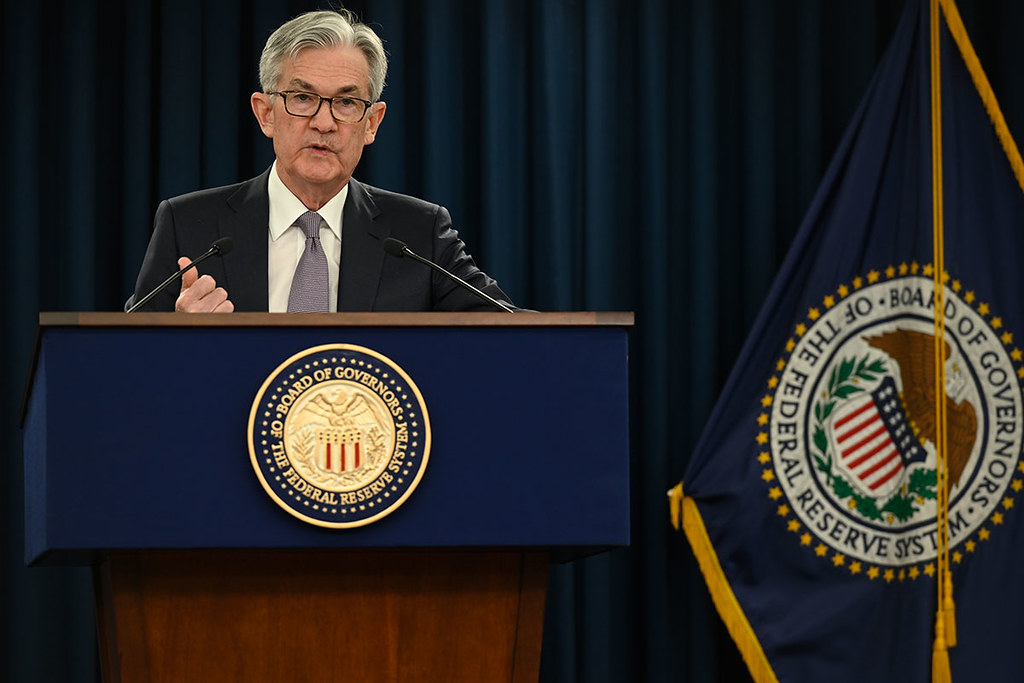
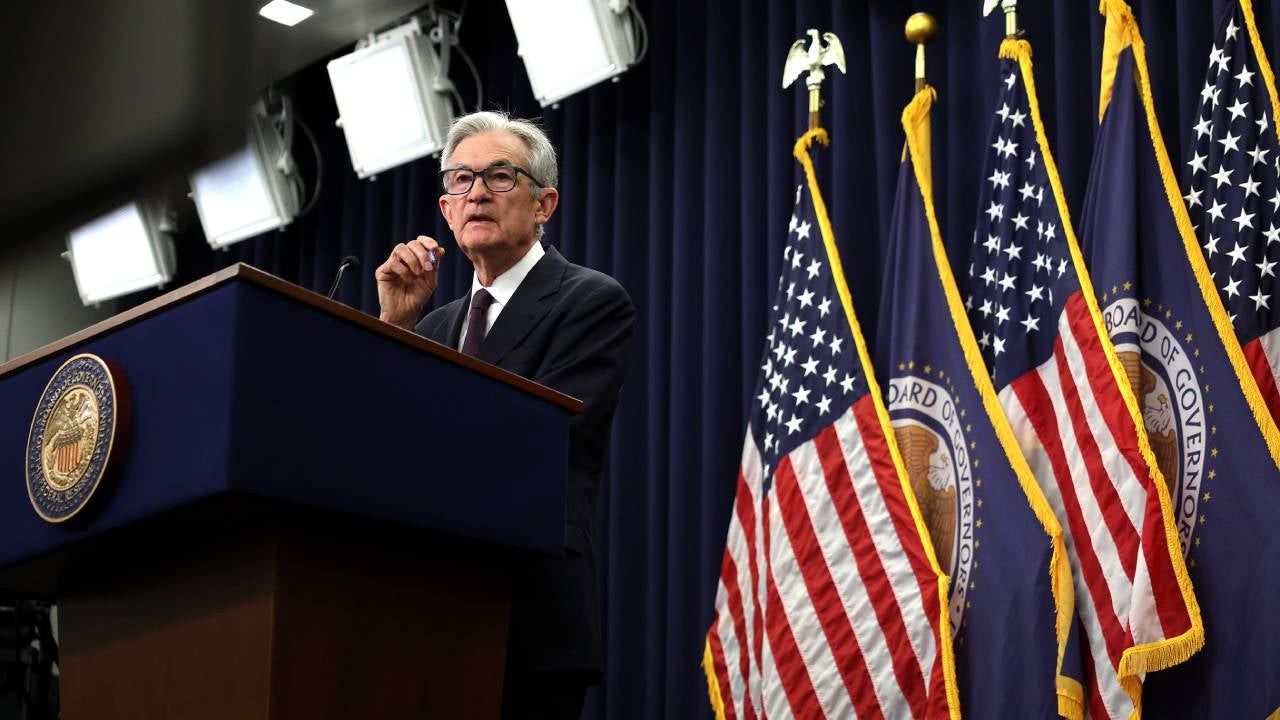
3. The Fed Chair’s Press Conference
Words matter. The language used by the Fed Chair during the post-meeting press conference often clarifies the committee’s “tone”—whether they are truly “hawkish” (focused on fighting inflation) or “dovish” (focused on supporting economic growth). Traders should listen for specific keywords like “transitory,” “tightening,” “slack,” or “restrictive.”
4. The FOMC Statement Language
Minor changes in the wording of the official post-meeting statement—often called “Fed-speak”—can signal a shift in policy direction. Even if interest rates remain unchanged, a subtle change in the phraseology regarding labor markets or inflation targets can trigger significant market movement.
The Anatomy of a Volatility Event
To understand how to trade these events, you must visualize what happens in the milliseconds after an announcement.
The Phases of Volatility
A. The Pre-Announcement Stagnation: In the hour before the release, market volume often dries up. Traders go “flat” to avoid the risk of a surprise. This creates a vacuum, often leading to very tight, consolidation-heavy price action.
B. The Primary Impulse: At the exact moment of release, high-frequency algorithms (HFTs) parse the data. If the news is a surprise, gold will experience a violent “whip” in one direction. This phase is characterized by extreme slippage and thin order books.
C. The Secondary Correction: Within 5 to 15 minutes, human traders and larger institutional participants enter the market, often moving in the opposite direction of the primary impulse as they absorb the liquidity and “correct” the overreaction.
D. The Press Conference Drift: As the Fed Chair speaks, the market trends based on the perceived tone of the conference. This phase is often more sustainable than the primary impulse and represents the “true” market sentiment for the coming weeks.
Strategic Trading Approaches for FOMC Volatility
The minutes surrounding an FOMC announcement are characterized by extreme liquidity and sharp price spikes. Here is how professional traders structure their approach to mitigate risk.
Preparing Before the Announcement
A. Understand the “Priced-In” Expectations: Always consult the CME FedWatch Tool. If the market is 90% certain of a hold, the volatility will likely stem from the commentary rather than the rate decision itself. Never assume a “neutral” event is a “low-volatility” event.
B. Review Technical Resistance and Support: Identify the key technical levels on the 4-hour and daily charts. Volatility often pushes price into these levels, where institutional “stop-loss” orders are clustered. A breach of these levels often leads to a “stop-run,” accelerating the price move.
C. Adjust Position Sizing: FOMC events frequently result in “slippage.” Reduce your leverage and position size during these windows. If you typically trade 1.0 lot, consider scaling down to 0.2 or 0.3 to prevent a single bad fill from damaging your account equity.
Executing During the News
A. Avoid the “Knee-Jerk” Reaction: The first few seconds after an announcement are dominated by machines. Wait for the initial 60-second candle to close before attempting to analyze the trend. This helps filter out the noise of algorithmic liquidity provision.
B. Focus on Trend Confirmation: Use indicators like the Relative Strength Index (RSI) or Exponential Moving Averages (EMA) to confirm if the post-FOMC move is a genuine breakout. If gold spikes but the RSI remains divergent, it is likely a trap.
C. Utilize Limit Orders Instead of Market Orders: During high volatility, market orders can be filled at significantly unfavorable prices. Use limit orders at key support or resistance levels to enter your trade, ensuring you get the price you intended.
Navigating the 2026 Landscape: Lessons from Recent Events
Recent market performance has highlighted how complex the gold-Fed relationship has become. In mid-2026, for instance, we saw gold consolidate while the Fed signaled continued vigilance on inflation. Despite “sticky” inflation, the market has had to reconcile the fact that persistent high rates weigh heavily on non-yielding assets.
Note: As of mid-2026, the global shift away from pure dollar dependence has seen central banks like China and other BRICS nations continuing to build gold reserves at record rates. This creates a “floor” for gold prices that often offsets the bearish pressure from high U.S. interest rates. Always consider the “physical demand” side of the equation when the Fed turns hawkish.
The Role of Global Central Bank Buying
While the FOMC dictates short-term volatility, the long-term trend of XAUUSD is currently being supported by a “central bank pivot.” When the Fed is hawkish, other central banks may also raise rates, but the systematic diversification away from the USD is a structural tailwind for gold that remains present regardless of the FOMC’s monthly decisions.
Risk Management: The Trader’s Essential Shield
Trading gold through FOMC volatility without strict risk management is akin to navigating a storm without a compass. High volatility is only an opportunity if you survive to see the next day.
Implement Fixed Stop-Losses: Never enter an XAUUSD position during an FOMC announcement without a clearly defined, non-negotiable exit point.
Avoid Over-Leverage: Volatility in gold can be 3–4 times higher than standard currency pairs during major news cycles. Reduce your lot size significantly to account for the wider price swings.
Watch the Real Yields: Monitor the 10-year Treasury yield in real-time. If the Fed’s announcement causes a sudden surge in real yields, prioritize a short-term bearish bias for gold.
Stay Updated on Geopolitical Factors: In the current decade, energy prices and supply chain stability often supersede Fed policy. If an energy crisis develops, even a hawkish Fed might not be enough to drag gold prices down significantly.
Consider Hedging with Options: For advanced traders, using options (such as buying puts to hedge a long gold position) during FOMC week can mitigate the risk of a “tail risk” event—an unexpected, extreme move that wipes out standard stop-losses.
Psychological Preparation for High-Impact Events
Beyond technical analysis, the most successful traders manage their mindset. FOMC events are designed to induce fear and greed.
A. Expect the Unexpected: The market often reacts in the opposite direction of “logical” expectations because the news is already priced in. Never trade based on what you “think” the Fed should do; trade based on how the market actually reacts.
B. Maintain a Journal: Record your trades specifically during FOMC events. Note your entry, the specific Fed announcement, and how your emotions influenced your decision-making. Over time, this data will reveal your specific tendencies—such as over-trading or holding losses too long.
C. Accept the Risk of “Whipsaws”: A whipsaw occurs when the market moves violently in one direction only to reverse and move just as violently in the other. Accept that these are a cost of doing business during high-impact news and do not attempt to “revenge trade” the loss.
Staying Ahead of the Curve
The FOMC’s impact on XAUUSD is a multifaceted phenomenon. While interest rate policy remains the primary anchor, successful trading requires a holistic view of the global economy, including inflation data, central bank buying patterns, and geopolitical developments.
As a trader, your goal is not to predict the Fed’s decision, but to react with discipline once the market absorbs the information. By combining technical analysis with a deep understanding of monetary policy, you can turn the uncertainty of FOMC meetings into a landscape of opportunity. Always remember that in the world of gold trading, capital preservation is the first step toward long-term profitability. Keep your charts clean, your stops tight, and your perspective broad, and you will be well-positioned to navigate the volatility of 2026 and beyond.