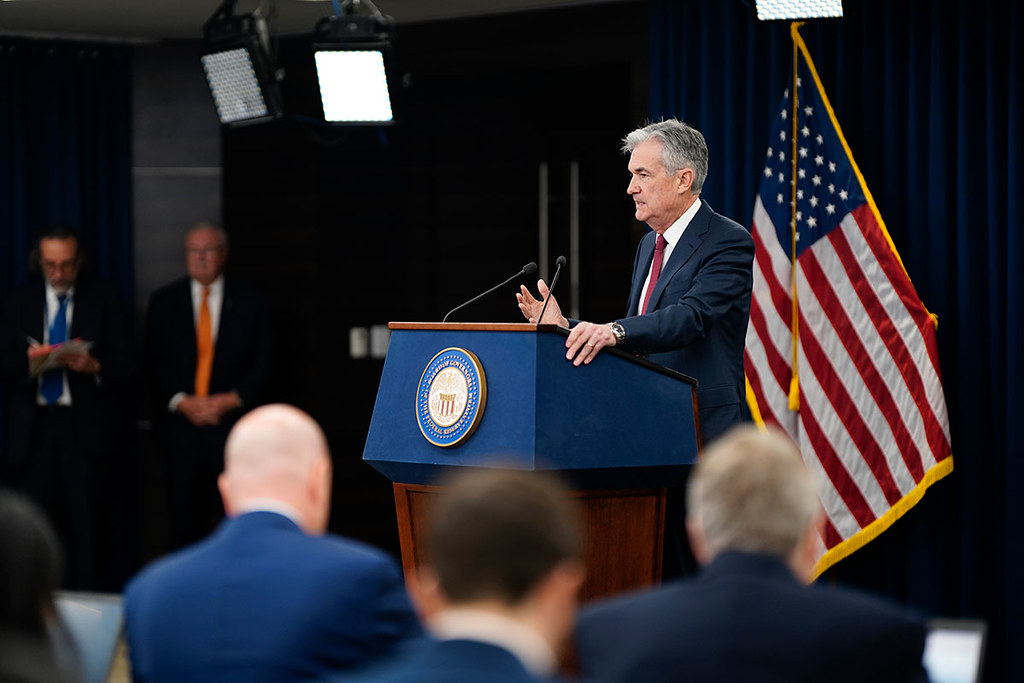
The global financial markets remain perpetually tethered to the policy decisions orchestrated by the United States Federal Reserve. As market participants look closely at the macroeconomic landscape, the focal point of monetary policy discussion centers on the scheduled gatherings of the Federal Open Market Committee (FOMC). Navigating the potential outcomes of these high-stakes meetings requires a comprehensive understanding of macroeconomic indicators, central bank communication strategies, and the evolving leadership dynamics under Fed Chair Kevin Warsh.
With the benchmark federal funds rate anchored in a target range of 3.50% to 3.75%, the financial community constantly evaluates whether inflationary pressures or employment metrics will force the central bank’s hand. This in-depth evaluation examines the foundational drivers, potential policy directions, and structural market reactions anticipated during the upcoming mid-year policy cycle.
Macroeconomic Backdrop: Inflation and Growth Dynamics
To accurately project the potential trajectory of monetary policy, one must first dissect the economic health of the United States. The dual mandate of the Federal Reserve—maximizing employment while ensuring stable prices—faces unique hurdles driven by supply shocks, shifts in energy dynamics, and robust sector-specific expansions.
Key Economic Indicators Shaping Policy
A. Persistent Inflation Pressures: Recent economic data highlights that core inflation measures continue to run above the central bank’s long-term target, hovering near 4.2%. This stickiness has shifted market psychology away from aggressive rate-cut expectations toward a more cautious posture.
B. Labor Market Resilience: Job creation has kept a steady pace relative to labor force growth, while the unemployment rate remains low. Nominal wages continue to post solid growth, assuring policymakers that consumer spending will not experience a sudden, disruptive cliff.
C. Business Investment and AI Infrastructure: Corporate expenditure remains a notable pillar of economic strength, significantly propelled by data center construction and heavy demand for advanced computing and artificial intelligence equipment. This sustained business activity prevents the broader economy from sliding into stagnation.
Evaluating the Core Policy Scenarios
When analyzing upcoming central bank decisions, market strategists generally narrow down potential outcomes into distinct categorical paths. Each scenario carries unique implications for equity valuations, currency exchange rates, and commodity markets.
1. The Maintained Rate with a Hawkish Tone
This stands as the most heavily favored baseline among major institutional researchers. Under this scenario, the committee votes to leave the benchmark target range untouched at 3.50% to 3.75%.
The Rationale: Keeping rates steady allows the central bank additional time to study lagging indicators while confirming that previous tightening measures have fully worked their way through the credit channels.
The Market Reaction: Even without an immediate adjustment to borrowing costs, the accompanying statement and press conference commentary may emphasize vigilance against upside inflation risks, driving short-term strengthening in the U.S. dollar.
2. The Unanticipated Rate Hike
While market pricing largely assigns a high probability to a pause, a fraction of derivatives traders and institutional desks price in a non-zero risk of a 25-basis-point upward adjustment.
The Rationale: If consumer price indexes or core personal consumption expenditures print significantly hotter than expected prior to the meeting, hawkish committee members advocating for tighter policy could gain immediate leverage.
The Market Reaction: An unexpected hike would trigger rapid, violent repricing across global asset classes, sending shockwaves through equities, elevating Treasury yields, and creating steep downward pressure on non-yielding assets like gold.
3. A Pivot Toward Dovish Accommodation
A sudden shift toward easing remains the least likely outcome absent a major systemic shock, liquidity crunch, or abrupt employment contraction.
The Rationale: Should macroeconomic data deteriorate rapidly, revealing hidden fractures in corporate credit or commercial real estate, the committee would face mounting pressure to transition from restrictive policy back toward a neutral stance.
The Market Reaction: Capital would swiftly rotate back into growth stocks and alternative hedges as bond yields tumble and currency markets price in lower future capital costs.
Communication Channels and the “Warsh Era” Dynamics
The leadership transition under Fed Chair Kevin Warsh has ushered in a period of evaluation regarding how forward guidance is delivered to the public. Understanding how the central bank communicates its intentions is just as critical as tracking the headline interest rate numbers.
Key Communication Elements
A. The Statement Adjustments: Minor alterations in the phrasing of the official post-meeting statement are scrutinized by algorithmic parsers. Keywords addressing labor market slack or inflation tolerance often set the immediate tone for market direction.
B. The Press Conference Nuances: The verbal delivery of the Fed Chair during post-meeting briefings provides crucial qualitative context. Analysts listen closely for rhetoric signaling whether committee members view current policy as sufficiently “restrictive.”
C. Internal Committee Divergence: Voting records matter immensely. A unanimous decision signals strong consensus, whereas recorded dissents—whether leaning hawkish or dovish—highlight internal friction regarding the future path of monetary management.
Strategic Portfolio Positioning for Investors
Navigating periods of heightened macroeconomic uncertainty requires disciplined asset allocation and strict risk controls. Institutional and retail market participants alike utilize several time-tested strategies to safeguard capital during policy announcements.
Duration Management: Fixed-income investors frequently adjust portfolio duration to protect against sudden yield curve shifts triggered by hawkish central bank surprises.
Diversification Across Asset Classes: Maintaining exposure to hard assets and diversified global equities helps mitigate localized risks tied strictly to domestic U.S. monetary adjustments.
Liquidity Preservation: Keeping a healthy cash buffer allows tactical investors to capitalize on short-term market dislocations and overreactions immediately following policy releases.
Conclusion
The ongoing evolution of United States monetary policy remains a complex balancing act between subduing stubborn inflation and nurturing economic expansion. As market participants continuously decode economic data releases and central bank commentary, maintaining a flexible, data-driven approach is essential. Whether the Federal Reserve opts to maintain its current stance or signal further policy adjustments, preparedness remains the ultimate safeguard against market volatility.